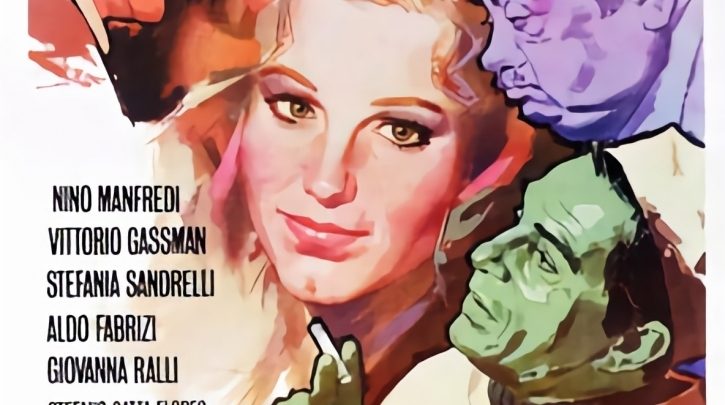
We All Loved Each Other So Much (1974): A Classic Italian Cinema

prekforalldc.org – Italian cinema has gifted the world with a wealth of cinematic gems, and “We All Loved Each Other So Much” (original title: “C’eravamo tanto amati”) is undoubtedly one of its finest contributions. Directed by Ettore Scola, this 1974 film is a poignant and bittersweet examination of friendship, idealism, and the passage of time in post-war Italy. Combining humor, nostalgia, and social commentary, the film continues to resonate with audiences as a testament to Italy’s rich cultural and political evolution.

Plot Overview

“We All Loved Each Other So Much” tells the story of three friends—Gianni (Vittorio Gassman), Nicola (Stefano Satta Flores), and Antonio (Nino Manfredi)—who meet while fighting for the Italian Resistance during World War II. After the war ends, the three go their separate ways but remain connected by their shared ideals and friendship. Over the course of 30 years, the film chronicles their individual journeys, as they navigate careers, love lives, and disillusionment with the idealistic dreams they held in their youth.

Gianni becomes a successful lawyer but compromises his left-wing principles to gain wealth and status. Nicola, a passionate intellectual, is a film critic whose obsession with cinema and politics isolates him from reality. Antonio, the most sincere of the three, continues to work humbly as a hospital orderly, maintaining his connection to the working class. Their shared love for Luciana (Stefania Sandrelli) adds emotional complexity to the story, as their romantic entanglements highlight the personal sacrifices each man makes.

A Nostalgic Tribute to Italian Cinema

One of the film’s most striking aspects is its homage to Italian cinema, with direct references to the Neorealist movement, particularly to Vittorio De Sica‘s “Bicycle Thieves” and Federico Fellini‘s work. Through Nicola, a passionate lover of cinema, Scola pays tribute to the transformative power of film, depicting its role in shaping both the political consciousness and emotional lives of the post-war generation. The use of flashbacks, montages, and film-within-a-film techniques adds a layer of meta-narrative that deepens the film’s commentary on Italian society.

Social and Political Commentary

At its core, “We All Loved Each Other So Much” is a reflection on the disillusionment of the generation that lived through the optimism of the post-war era and the eventual decline of those ideals in the face of capitalist pressures. Each of the three friends represents a different path, mirroring the choices faced by many Italians during the rapid modernization and industrialization of the 1950s and 1960s.

The film is a nuanced critique of Italy’s shift away from leftist ideals, as seen through the compromises made by Gianni, the failure of Nicola’s intellectualism, and Antonio’s quiet perseverance. It also explores themes of loyalty, loss, and the often painful gap between dreams and reality. Scola’s ability to infuse these heavy themes with humor, irony, and affection for his characters makes the film both touching and thought-provoking.

Performances and Direction

Ettore Scola’s direction is masterful, blending humor and tragedy to create a film that is both deeply personal and universal. The performances of the three leads are exceptional. Vittorio Gassman delivers a nuanced portrayal of Gianni, embodying the conflict between personal ambition and moral compromise. Nino Manfredi‘s Antonio brings warmth and sincerity to the film, while Stefano Satta Flores perfectly captures Nicola’s idealistic fervor and ultimate frustration.

Stefania Sandrelli shines as Luciana, a woman who is caught in the emotional crossfire of the three men. Her character adds depth to the film’s exploration of love and sacrifice.

Legacy

“We All Loved Each Other So Much” has become a beloved classic in Italian cinema. Its exploration of friendship, political idealism, and personal transformation resonates across generations. The film captures the spirit of post-war Italy, while also providing a timeless reflection on how life shapes and tests our deepest convictions.

Scola’s film is a celebration of Italian cinema, an ode to friendship, and a melancholy meditation on the passage of time. Decades after its release, “We All Loved Each Other So Much” remains an essential piece of Italian film history, reminding viewers that while dreams may fade, the bonds of love and friendship endure.
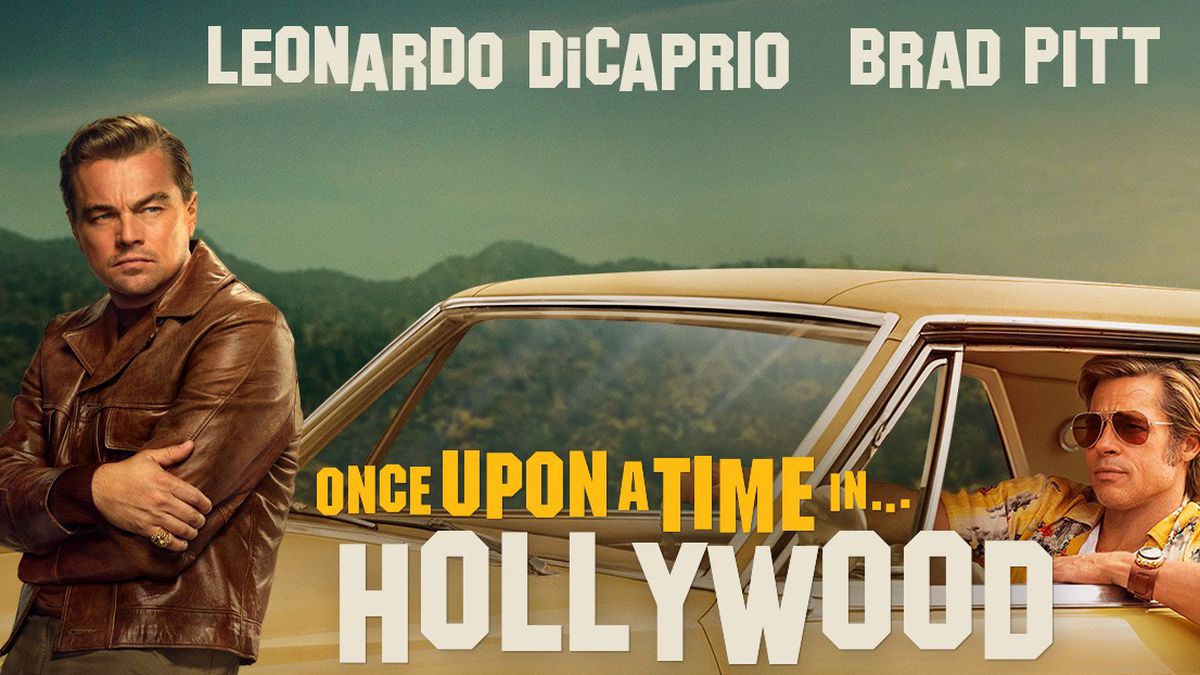

Once Upon a Time… in Hollywood: Themes of Change & Nostalgia

prekforalldc.org – Quentin Tarantino’s Once Upon a Time… in Hollywood (2019) isn’t a straightforward historical drama or a typical Hollywood narrative. It’s a sprawling, nostalgic, and ultimately unsettling exploration of the final days of Hollywood’s Golden Age as it collided with the burgeoning counterculture of the late 1960s, culminating in the shadow of the Manson Family murders. This article delves into the film’s key themes, characters, and its unique approach to historical fiction.

A Fading Star and His Loyal Stunt Double: The Core Relationship

At the heart of Once Upon a Time… in Hollywood are two compelling characters: Rick Dalton (Leonardo DiCaprio), a fading television Western star struggling to transition to film, and Cliff Booth (Brad Pitt), his longtime stunt double, driver, and closest confidant. Their relationship is the emotional anchor of the film, a portrayal of unwavering loyalty and camaraderie in a rapidly changing industry.

  • Rick Dalton’s Struggle: Rick embodies the anxieties of an actor facing obsolescence. He grapples with self-doubt, struggling to memorize lines and feeling increasingly out of touch with the new Hollywood. DiCaprio delivers a nuanced performance, capturing Rick’s vulnerability and his moments of surprising resilience.
  • Cliff Booth’s Quiet Confidence: Cliff is the epitome of cool, a capable and laid-back figure who seems unfazed by the shifting landscape of Hollywood. Pitt portrays Cliff with a quiet confidence and subtle humor, making him a magnetic and enigmatic presence. Their dynamic is one of mutual dependence and deep respect, a bond forged through years of shared experiences.

The Specter of the Manson Family: A Historical Undercurrent

The Manson Family and the impending tragedy of the Tate-LaBianca murders loom large over the film, casting a shadow over the otherwise idyllic portrayal of 1969 Los Angeles. Tarantino masterfully builds tension by subtly weaving in references to the Manson Family, from their presence on the periphery of scenes to their interactions with Cliff.

  • A Sense of Foreboding: The film doesn’t explicitly focus on the Manson Family until the climax, but their presence is felt throughout. Snippets of radio broadcasts, encounters with hitchhiking girls, and glimpses of Spahn Ranch create a growing sense of unease.
  • Tarantino’s Reimagining of History: In typical Tarantino fashion, the film deviates from historical accuracy in its climax, offering a fictionalized and cathartic resolution to the tragic events. This controversial choice has been both praised and criticized, but it undeniably adds a powerful emotional dimension to the film.

A Love Letter to 1969 Los Angeles: A Detailed and Nostalgic Portrayal

Once Upon a Time… in Hollywood is a meticulously crafted recreation of 1969 Los Angeles. From the music and fashion to the iconic locations and car culture, the film immerses the viewer in a bygone era.

  • Immersive World-Building: Tarantino’s attention to detail is evident in every frame, creating a vibrant and nostalgic depiction of the period. The film is filled with period-accurate details, from the billboards and radio jingles to the clothing and hairstyles.
  • A Celebration of Classic Hollywood: The film pays homage to the classic Hollywood studio system and the Western genre, showcasing the craftsmanship and artistry of filmmaking from that era.

Themes of Change and Nostalgia: Reflecting on a Shifting Landscape

The film explores themes of change, nostalgia, and the inevitable passage of time. It reflects on the end of an era in Hollywood and the cultural shifts that were taking place in the late 1960s.

  • The End of an Era: The film captures the feeling of a world on the cusp of change, as the old Hollywood guard gives way to a new generation of filmmakers and cultural influences.
  • Nostalgia and Memory: The film is deeply nostalgic for a specific time and place, but it also acknowledges the complexities and contradictions of that era.

Conclusion: A Complex and Compelling Cinematic Experience

Once Upon a Time… in Hollywood is a complex and compelling film that defies easy categorization. It’s a nostalgic tribute to a bygone era, a character-driven drama, and a reimagining of a tragic historical event. While its revisionist history and leisurely pacing may not appeal to all viewers, it’s undeniably a unique and thought-provoking cinematic experience that offers a fascinating glimpse into a pivotal moment in Hollywood history. It is a film that lingers in the mind long after the credits roll, prompting reflection on the nature of memory, history, and the enduring power of storytelling.

Dune (2021): A Cinematic Odyssey – Destiny and Prophecy

prekforalldc.org – Denis Villeneuve’s adaptation of Frank Herbert’s iconic science fiction novel, Dune, is a visually stunning and thought-provoking cinematic masterpiece. Released in 2021, the film transports audiences to the harsh and unforgiving desert planet of Arrakis, also known as Dune, where a precious resource called “spice” holds the key to galactic power and immortality.   

A Tale of Destiny and Prophecy

The film follows the story of Paul Atreides (Timothée Chalamet), a young and gifted heir to the noble House Atreides. When his family is tasked with controlling Arrakis, Paul embarks on a perilous journey that will test his limits and shape the fate of the universe. As he delves deeper into the mysteries of the desert planet and its enigmatic inhabitants, the Fremen, Paul begins to realize his own destiny as the Kwisatz Hader, a prophesied figure with extraordinary abilities.   

A Visual Spectacle

One of the most striking aspects of Dune is its breathtaking visuals. The film’s stunning cinematography captures the vast and desolate landscapes of Arrakis, from the towering sandworms to the intricate details of the futuristic technology. The production design is equally impressive, with meticulously crafted sets and costumes that bring the world of Dune to life.   

A Stellar Cast

The film boasts an ensemble cast of talented actors who bring depth and nuance to their roles. Timothée Chalamet delivers a captivating performance as Paul Atreides, while Rebecca Ferguson shines as his mother, Lady Jessica. Other notable performances include Oscar Isaac as Duke Leto Atreides, Zendaya as the enigmatic Chani, and Javier Bardem as the wise and enigmatic Stilgar.   

A Complex and Thought-Provoking Narrative

Dune is a complex and intellectually stimulating film that explores themes of power, politics, religion, and ecology. The film delves into the intricate political landscape of the interstellar empire, where noble houses vie for control of the valuable spice. It also examines the impact of humanity’s exploitation of natural resources and the consequences of unchecked ambition.   

A Cinematic Experience Like No Other

Dune is a cinematic experience that demands to be seen on the big screen. Its immersive visuals, haunting score, and thought-provoking narrative create a truly unforgettable experience. Whether you’re a fan of the source material or new to the world of Dune, this film is a must-see for any lover of science fiction and epic storytelling.   

Conclusion

Denis Villeneuve’s Dune is a bold and ambitious adaptation that captures the essence of Frank Herbert’s groundbreaking novel. With its stunning visuals, stellar performances, and thought-provoking themes, the film is a cinematic masterpiece that will leave a lasting impact on audiences. As we eagerly await the release of the second part, Dune: Part Two, it is clear that Villeneuve’s vision for this epic saga is only just beginning.

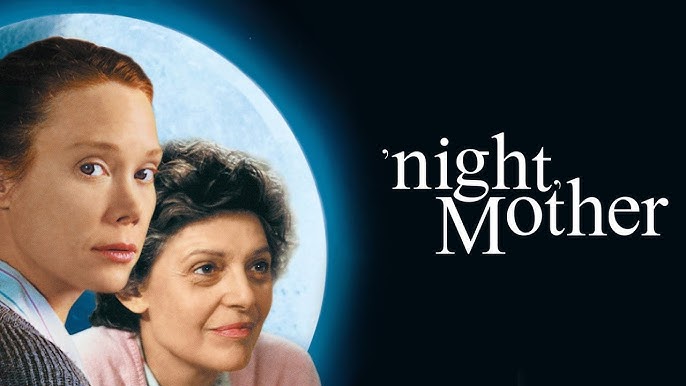
“Night, Mother”: A Tense Duel of Wills – A Deep Dive into

prekforalldc.org – Night, Mother is a gripping 1986 American drama film directed by Tom Moore and adapted from Marsha Norman’s Pulitzer Prize-winning play of the same name. The film stars Sissy Spacek and Anne Bancroft in a tense, claustrophobic two-hander that explores the depths of despair and the fragility of the human spirit.   

A Ticking Time Bomb

The film unfolds in real-time, confined to a single, dimly lit living room. Jessie Cates (Sissy Spacek), a woman suffering from severe depression, calmly informs her mother, Thelma (Anne Bancroft), of her intention to commit suicide that very night. The ensuing conversation is a heart-wrenching, psychological battle as Thelma desperately tries to dissuade her daughter, while Jessie remains resolute in her decision.   

A Masterclass in Performance

Sissy Spacek and Anne Bancroft deliver tour-de-force performances that elevate the film to a truly unforgettable cinematic experience. Spacek’s portrayal of Jessie is both chilling and empathetic, capturing the character’s quiet desperation and unwavering determination. Bancroft, on the other hand, brings a raw, emotional intensity to her role as Thelma, conveying a mother’s love, fear, and frustration with heartbreaking authenticity.   

A Stark Exploration of Mental Illness

Night, Mother is a stark and unflinching exploration of mental illness, particularly depression and suicide. The film avoids sensationalism and instead focuses on the quiet, often overlooked tragedy of these conditions. It delves into the complexities of human relationships, the power of words, and the ultimate limits of human understanding.   

A Timeless Tale of Despair and Hope

Despite its bleak subject matter, Night, Mother offers a glimmer of hope. Through Thelma’s unwavering love and persistence, the film suggests that even in the darkest of times, there is always a chance for connection and understanding.

A Cinematic Masterpiece

Night, Mother is a cinematic masterpiece that has stood the test of time. Its powerful performances, thought-provoking themes, and intimate storytelling make it a must-watch for anyone interested in the power of cinema to explore the human condition.

Woman in Gold: A Tale of Loss, Justice, and Art

prekforalldc.org – Simon Curtis’s 2015 historical drama, “Woman in Gold,” is a poignant and inspiring film based on the true story of Maria Altmann, an elderly Jewish woman who embarked on a decades-long legal battle to reclaim a painting stolen from her family by the Nazis.

A Family’s Lost Treasure

The film delves into the heart-wrenching tale of Maria Altmann’s family, who were forced to flee Austria during the Holocaust. Among their possessions was a stunning portrait of Maria’s aunt, Adele Bloch-Bauer I, painted by Gustav Klimt. This masterpiece, known as “Woman in Gold,” was seized by the Nazis and eventually ended up in the Austrian Gallery Belvedere.

A Legal Battle for Justice

Decades later, Maria, with the help of a determined young lawyer, Randy Schoenberg, challenges the Austrian government’s ownership of the painting. Their legal battle becomes a symbol of hope for many Holocaust survivors who have lost their cultural heritage. The film captures the emotional and legal complexities of their fight, as they navigate a complex legal system and confront the enduring legacy of the Holocaust.

A Humanizing Portrait

“Woman in Gold” is not just a legal thriller; it is a deeply human story about loss, resilience, and the enduring power of art. The film portrays Maria Altmann as a complex and multifaceted character, a woman who has suffered immense loss but remains determined to reclaim her family’s legacy. Helen Mirren delivers a powerful performance as Maria, capturing her strength, vulnerability, and unwavering spirit.

A Reflection on History and Justice

Beyond its compelling narrative, the film offers a thought-provoking reflection on the enduring impact of the Holocaust and the importance of historical justice. It highlights the moral imperative to restore cultural heritage to its rightful owners and to confront the injustices of the past.

A Critical and Commercial Success

“Woman in Gold” was a critical and commercial success, praised for its sensitive portrayal of a complex historical period. The film’s exploration of themes such as loss, family, and justice resonated with audiences worldwide.

A Legacy of Hope

“Woman in Gold” is more than just a film; it is a testament to the power of human spirit and the enduring legacy of art. The story of Maria Altmann’s fight for justice continues to inspire and empower, reminding us that even in the darkest of times, hope and resilience can prevail.

Key Themes Explored in the Film:

  • The Impact of the Holocaust: The film highlights the devastating impact of the Holocaust on individuals and families.
  • The Power of Art: The film showcases the enduring power of art to transcend time and connect people.
  • The Pursuit of Justice: The film explores the importance of seeking justice, even decades after atrocities have been committed.
  • The Role of Cultural Heritage: The film emphasizes the significance of cultural heritage and the need to preserve it for future generations.

Conclusion

“Woman in Gold” is a poignant and inspiring film that tells a powerful story of loss, resilience, and the pursuit of justice. It is a reminder that even in the face of adversity, the human spirit can triumph.

The Chase (1966):A Tense and Atmospheric Thriller

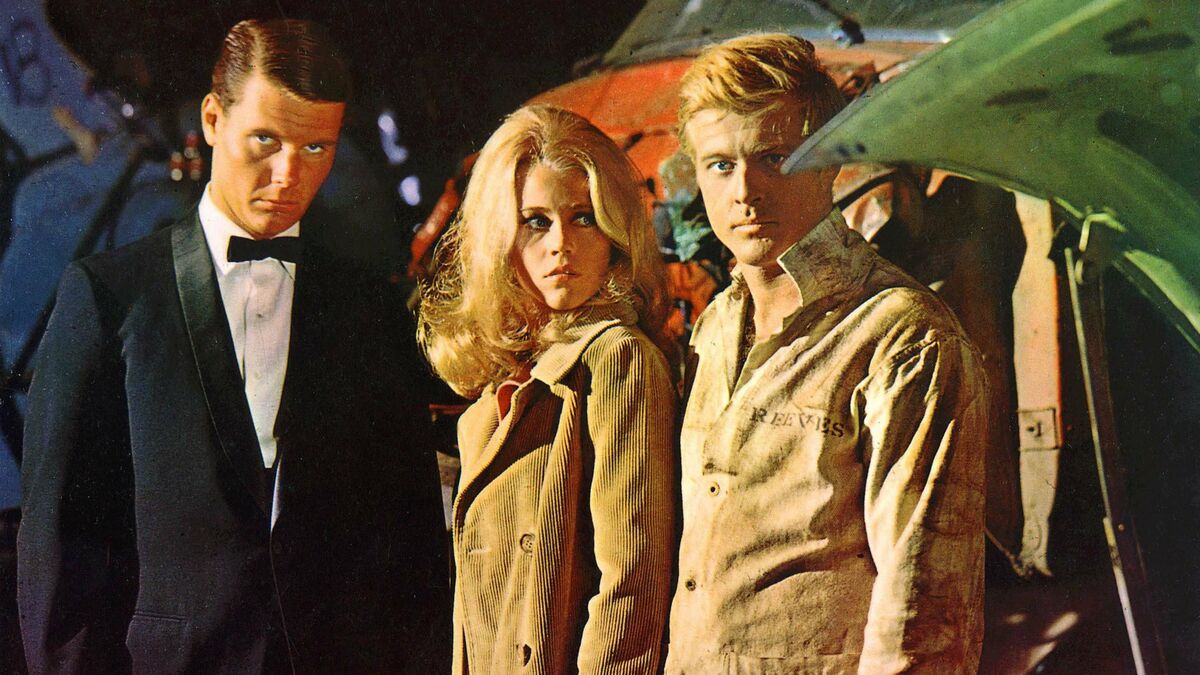
prekforalldc.org – The Chase (1966) is a gripping psychological thriller that explores the dark underbelly of a small Southern town. Directed by Arthur Penn and written by Lillian Hellman, the film delves into themes of obsession, revenge, and the destructive power of desire.   

Jane Fonda’s Complex Role

Jane Fonda plays the role of Anna Reeves, a troubled and enigmatic woman caught in the crossfire of a dangerous game. Her performance is both captivating and unsettling, as she brings depth and complexity to her character. Anna’s internal turmoil and conflicted emotions are palpable, making her one of the film’s most intriguing figures.  

A Stellar Cast

The Chase boasts a stellar cast, including Marlon Brando as the intense and obsessive Sheriff Calder, and Robert Redford as the charismatic but dangerous fugitive, Charlie Reeves. The ensemble cast delivers powerful performances, elevating the film’s dramatic impact.  

A Gripping Narrative

The film’s narrative is driven by its complex characters and their intertwined destinies. As the town is gripped by fear and anticipation, the tension mounts, leading to a series of shocking and unexpected events. The film’s atmospheric setting and suspenseful pacing contribute to its overall impact.

A Timeless Tale of Obsession and Revenge

While The Chase is a product of its time, its themes of obsession, revenge, and the destructive power of desire remain relevant today. The film’s exploration of the dark side of human nature continues to resonate with audiences, making it a timeless classic.

A Must-Watch for Fonda Fans

For fans of Jane Fonda, The Chase is a must-watch. It showcases her versatility as an actress and her ability to portray complex and challenging characters. The film’s psychological depth and suspenseful atmosphere make it a thrilling and unforgettable experience.

Conclusion

The Chase is a gripping and atmospheric thriller that delves into the darkest corners of the human psyche. Jane Fonda’s performance is a standout, and her portrayal of Anna Reeves is both haunting and unforgettable. The film’s complex characters, suspenseful plot, and stunning cinematography make it a must-watch for fans of classic cinema.

The Black Shield of Falworth and The Vikings

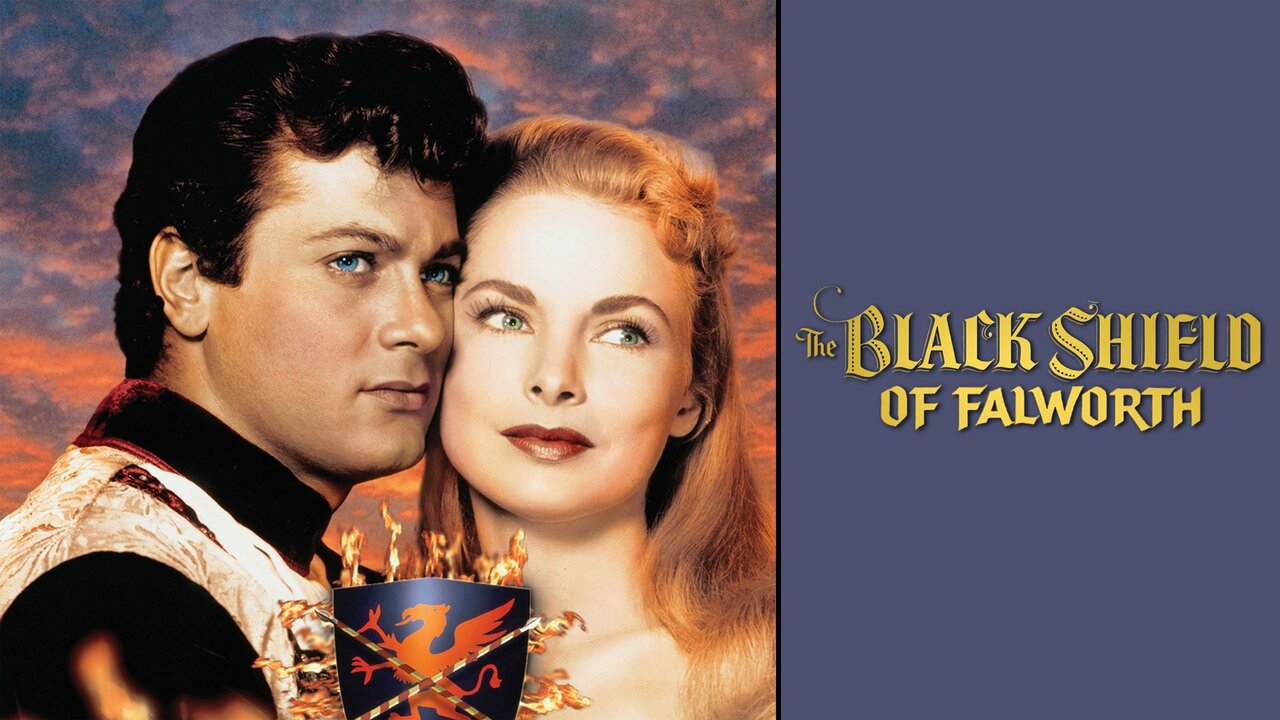
prekforalldc.org – The 1950s was a golden age for swashbuckling films, and two notable examples are The Black Shield of Falworth (1954) and The Vikings (1958). Both films offer thrilling adventures, memorable characters, and stunning visuals, but they also have distinct qualities that set them apart.

The Black Shield of Falworth: A Chivalric Romance

The Black Shield of Falworth is a classic tale of chivalry, honor, and love. Set in medieval England, the film follows the journey of Myles Falworth, a young peasant who discovers his noble heritage and becomes a skilled swordsman. The film’s romantic subplot, involving Myles and Lady Anne, adds a touch of tender emotion to the thrilling action sequences.

Key elements:

  • Chivalric Code: The film emphasizes the importance of honor, courage, and loyalty.
  • Coming-of-Age Story: Myles’ transformation from a humble peasant to a noble knight is a central theme.
  • Romantic Subplot: The love story between Myles and Lady Anne adds depth and emotion.

The Vikings: A Brutal and Epic Tale

The Vikings is a more brutal and epic tale, set in the Viking Age. The film follows the lives of two half-brothers, Einar and Eric, who are rivals in love and war. The film delves into themes of power, revenge, and the Viking way of life.

Key elements:

  • Viking Culture: The film showcases the Viking culture, including their seafaring skills, fierce battles, and pagan beliefs.
  • Epic Scale: The film’s grand scale and spectacular battle scenes are a highlight.
  • Complex Characters: Both Einar and Eric are complex and morally ambiguous figures.

Comparing the Two Films

While both films share the swashbuckling genre, they offer distinct experiences. The Black Shield of Falworth is a more traditional romantic adventure, emphasizing chivalry and honor. The Vikings is a more brutal and gritty portrayal of the Viking Age, with a focus on power, revenge, and the harsh realities of life in the North.

Both films, however, are visually stunning and offer thrilling action sequences. They continue to captivate audiences with their timeless appeal and enduring themes.

The Running Man: A Thrilling Game of Cat and Mouse

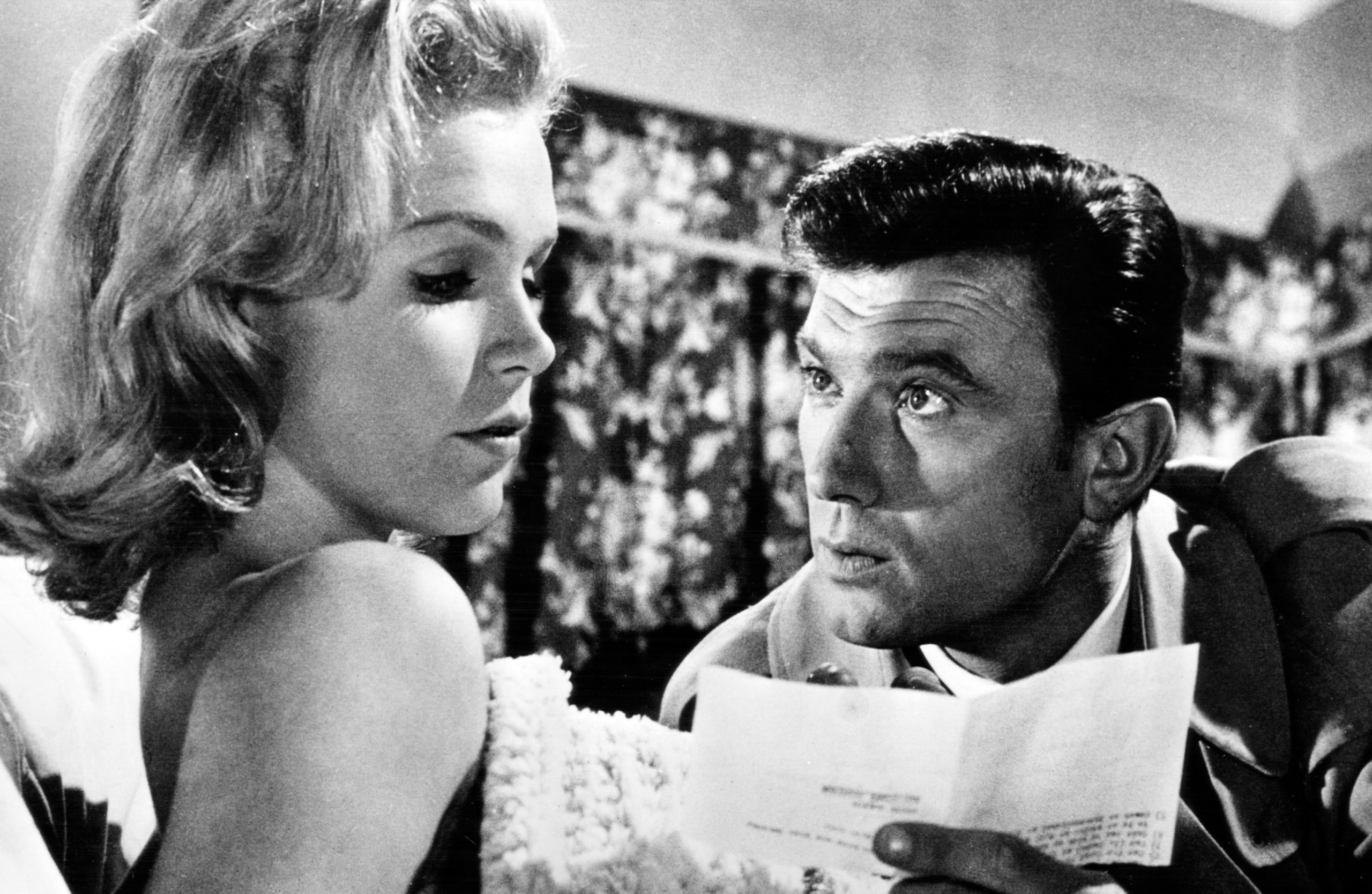
prekforalldc.org – Carol Reed’s 1963 neo-noir thriller, “The Running Man,” is a stylish and suspenseful film that blends elements of crime, drama, and romance. Set against the backdrop of the picturesque Spanish coast, the film follows a con man who fakes his own death to claim a large insurance payout, only to find himself pursued by a relentless insurance investigator.

A Deadly Game of Deception

The film centers around Rex Black, a charming and charismatic pilot played by Laurence Harvey. Rex devises a plan to defraud an insurance company by faking his death in a glider accident. However, his carefully laid plans are disrupted by the arrival of a tenacious insurance investigator, Inspector Stephen Kyle, portrayed by Alan Bates.   

As Kyle delves deeper into Rex’s past, he uncovers a web of deceit and betrayal. The two men engage in a dangerous game of cat and mouse, with each move putting their lives at risk. The tension is palpable as the stakes rise, and the line between hunter and prey becomes increasingly blurred.

A Touch of Romance

Amidst the suspense and intrigue, “The Running Man” also explores themes of love and betrayal. Rex’s wife, Stella, played by Lee Remick, is initially complicit in his scheme but begins to question her loyalty as the consequences of their actions become apparent. The film delves into the complexities of human relationships and the moral dilemmas that arise when personal gain is prioritized over honesty and integrity.   

A Masterful Blend of Style and Substance

Carol Reed’s masterful direction elevates “The Running Man” to a cinematic masterpiece. The film’s stylish cinematography, evocative score, and atmospheric setting create a captivating and immersive viewing experience. The performances of Laurence Harvey, Lee Remick, and Alan Bates are equally impressive, bringing depth and nuance to their complex characters.   

A Timeless Thriller

Despite being released over six decades ago, “The Running Man” remains a relevant and engaging film. Its exploration of themes such as greed, obsession, and the consequences of deception continues to resonate with audiences today. The film’s stylish visuals, suspenseful plot, and memorable characters make it a timeless classic.

Conclusion

“The Running Man” is a thrilling and stylish neo-noir thriller that offers a captivating blend of suspense, romance, and moral ambiguity. Its exploration of the dark side of human nature and the consequences of deception make it a thought-provoking and entertaining film. Whether you’re a fan of classic cinema or simply enjoy a well-crafted mystery, “The Running Man” is a must-watch.

The Killers (1964): Neo-Noir Classic – Tale of Greed and Betrayal

prekforalldc.org – Don Siegel’s 1964 film The Killers is a stylish and gritty neo-noir crime drama that delves into the dark underbelly of the American underworld. Based on Ernest Hemingway’s short story, the film offers a fresh perspective on the source material, focusing on the motivations of the two hitmen rather than the victim.

A Stellar Cast and Stylish Direction

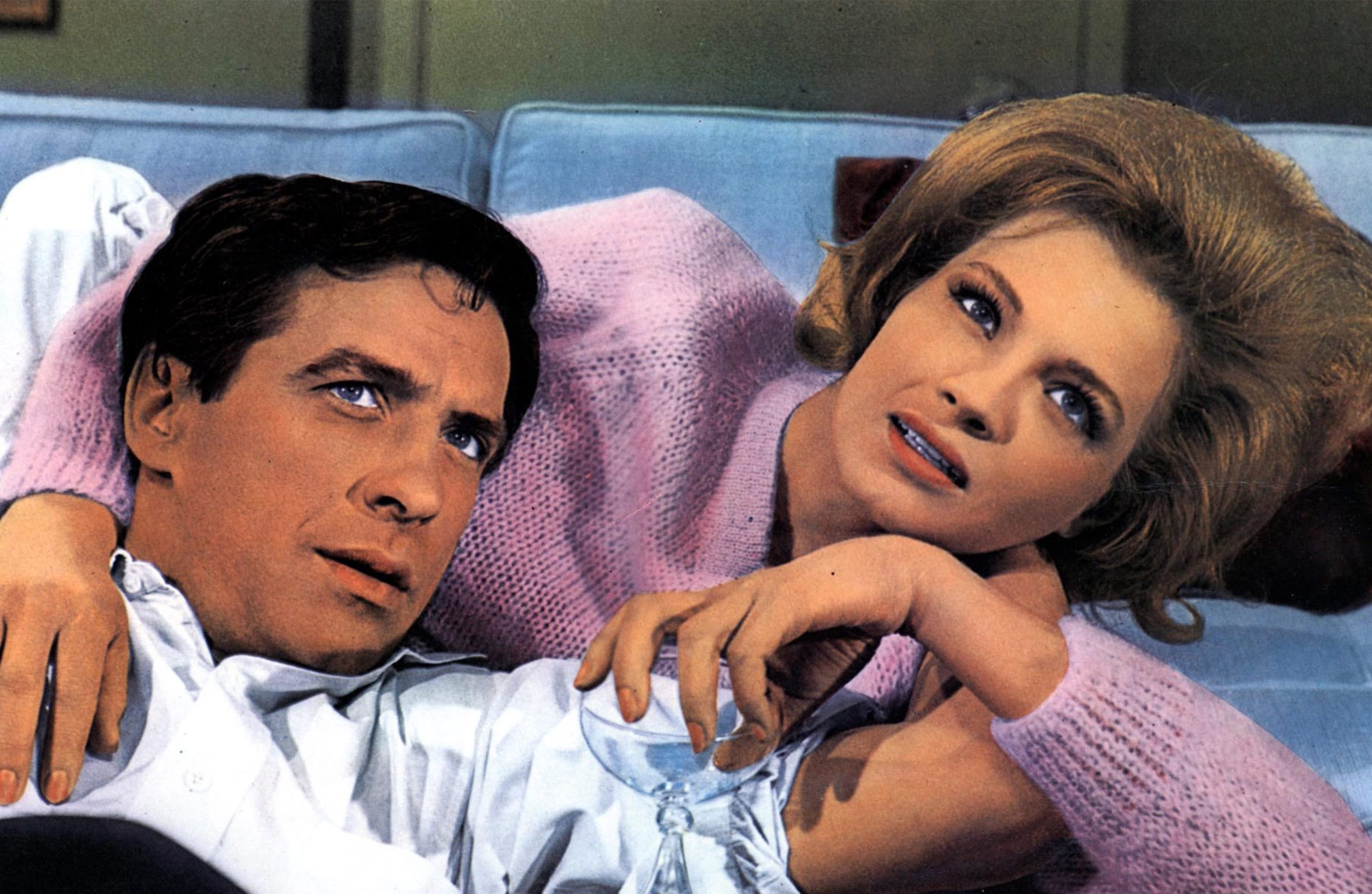
The film boasts a stellar cast led by Lee Marvin and John Cassavetes. Marvin delivers a chilling performance as Charlie Strom, a seasoned hitman with a moral compass that’s beginning to waver. Cassavetes portrays Johnny North, the enigmatic victim whose past holds the key to a million-dollar mystery. Angie Dickinson adds a touch of glamour and danger as Sheila Farr, a femme fatale with a penchant for trouble.

Siegel’s direction is both stylish and efficient, with a keen eye for detail and a knack for building suspense. The film’s sleek cinematography and sharp editing contribute to its noirish atmosphere, while the jazzy score by David Raksin adds a touch of sophistication.

A Modern Take on a Classic Tale

The Killers is a modern reimagining of Hemingway’s story, stripped of its literary pretensions and infused with a gritty realism. The film’s focus on the hitmen’s perspective allows for a more complex exploration of themes of morality, greed, and the consequences of violence.

A Timeless Tale of Crime and Corruption

The Killers is a timeless classic that continues to captivate audiences with its stylish direction, stellar performances, and its exploration of the dark side of human nature. It’s a must-watch for fans of noir cinema and anyone who appreciates a well-crafted crime thriller.

Valerie (1957): A Western Tale of Deception and Desire

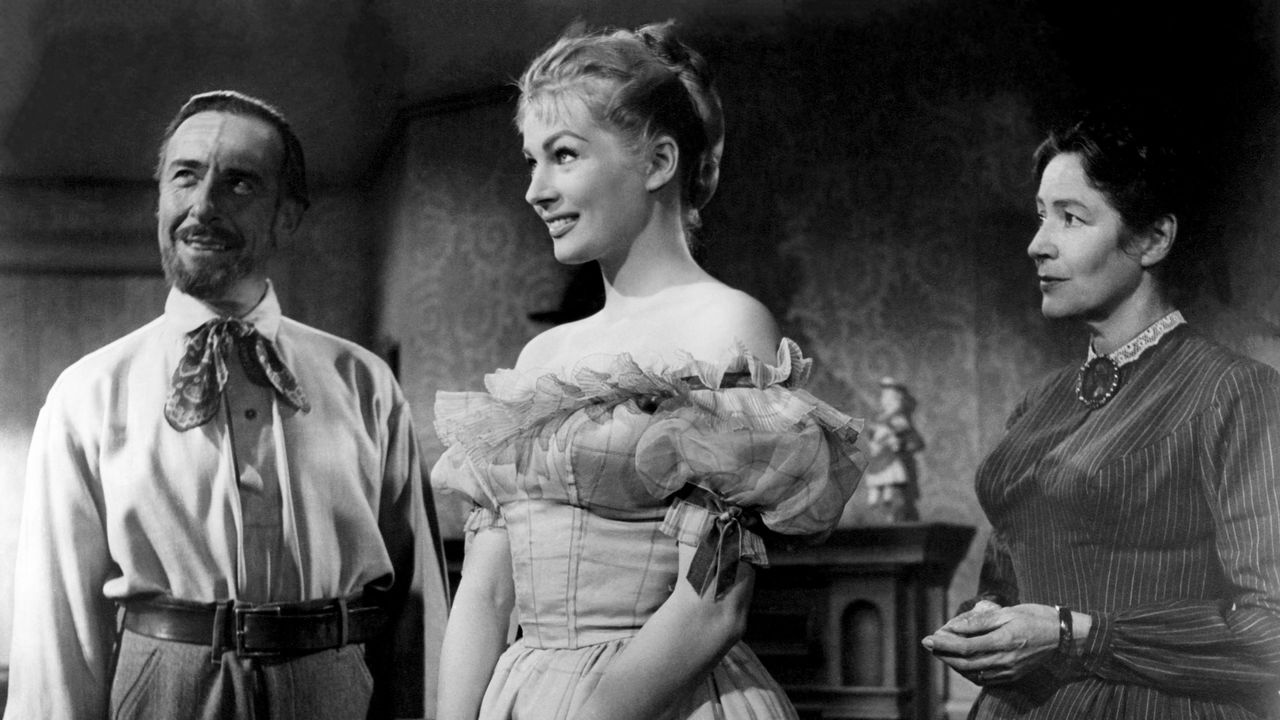
prekforalldc.orgValerie is a 1957 American Western film directed by Gerd Oswald and starring Sterling Hayden, Anita Ekberg, and Anthony Steel. The film is notable for its unique structure, inspired by Akira Kurosawa’s classic Rashomon, where the same events are recounted from different perspectives, leading to a complex and ambiguous narrative.   

Plot Summary

The film opens with a shocking scene: John Garth (Sterling Hayden), a war veteran, shoots and kills his father-in-law, mother-in-law, and wounds his wife, Valerie (Anita Ekberg). As Garth stands trial for murder, the story unfolds through a series of flashbacks, with each character offering their own version of events.

  • The Reverend’s Perspective: Reverend Steven Blake (Anthony Steel) portrays Valerie as a troubled woman who sought his spiritual guidance. He paints a picture of a possessive and jealous husband, driven to violence by his wife’s infidelity.
  • Garth’s Perspective: Garth, in his testimony, claims that Valerie was a manipulative and seductive woman who led him to a life of despair. He portrays himself as a victim of her deceitful nature.
  • Valerie’s Perspective: From her hospital bed, Valerie offers her own account, revealing a dark and disturbing truth about her marriage. She paints a picture of a controlling and abusive husband who used psychological torture to break her spirit.

A Psychological Western

Valerie is more than just a Western; it’s a psychological exploration of human nature, love, and betrayal. The film delves into the complexities of memory and perception, questioning the reliability of eyewitness testimony. By presenting multiple perspectives, the film challenges the audience to form their own conclusions about what truly happened.

The film’s use of flashbacks and shifting perspectives creates a sense of uncertainty and disorientation, mirroring the confusion and chaos of the characters’ lives. The stark contrast between the idyllic Western setting and the dark, psychological themes adds to the film’s unsettling atmosphere.

A Bold Departure from the Western Genre

Valerie is a bold departure from the traditional Western formula. Instead of focusing on action and adventure, the film prioritizes character development and psychological exploration. The film’s willingness to challenge conventional storytelling techniques and explore taboo subjects makes it a unique and thought-provoking work.

While Valerie may not be as well-known as some of the classic Westerns, it remains a fascinating and underrated gem. Its innovative storytelling, strong performances, and timeless themes continue to resonate with audiences today.

Hell on Frisco Bay: A Gritty Noir Thriller

prekforalldc.org – In the realm of classic film noir, Hell on Frisco Bay (1955) stands as a gritty and suspenseful thriller that captures the dark underbelly of San Francisco. Directed by Frank Tuttle and starring John Payne, Joan Evans, and Stanley Baker, the film offers a compelling blend of crime, corruption, and redemption.

A Tale of Betrayal and Revenge

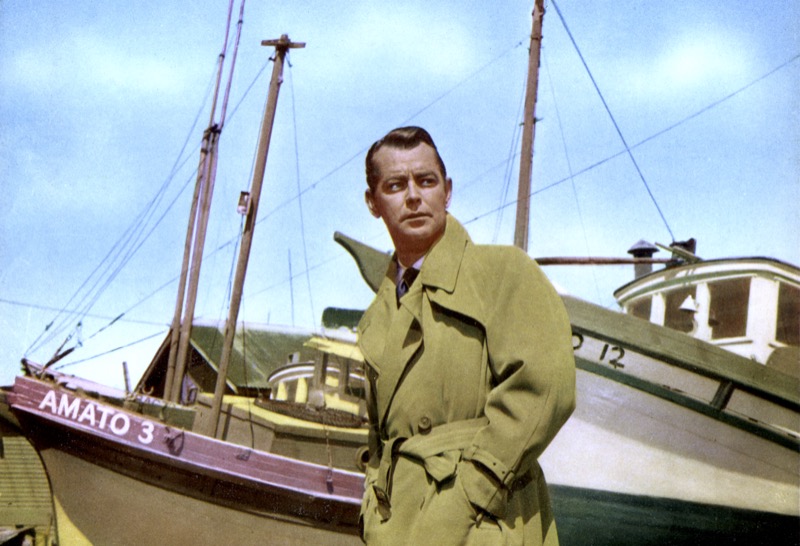
The story revolves around Mike Moran (John Payne), a former boxer turned private detective who is hired to investigate a series of mysterious deaths. As Moran delves deeper into the case, he uncovers a web of corruption involving a powerful crime syndicate and a crooked police captain. The investigation leads him to a beautiful and dangerous woman named Trudy (Joan Evans), who may hold the key to solving the mystery.

A Gritty Portrayal of San Francisco

Hell on Frisco Bay offers a gritty and realistic portrayal of San Francisco in the 1950s. The film’s stunning black-and-white cinematography captures the city’s seedy underbelly, from the dimly lit bars and nightclubs to the foggy waterfront. The film’s production design is equally impressive, with meticulous attention to detail in recreating the period’s fashion, cars, and architecture.

A Cast of Strong Performances

The film boasts a strong cast of talented actors who deliver compelling performances. John Payne is charismatic as the tough-talking private detective, while Joan Evans shines as the enigmatic and alluring femme fatale. Stanley Baker is particularly memorable as the ruthless crime boss, bringing a menacing presence to the screen.

A Timeless Tale of Good vs. Evil

Hell on Frisco Bay is a timeless tale of good versus evil, with a classic noir hero battling against a corrupt system. The film’s themes of corruption, betrayal, and redemption continue to resonate with audiences today.

Why You Should Watch Hell on Frisco Bay

  • A gritty and suspenseful story: The film’s plot is filled with twists and turns that keep the viewer engaged.
  • A stunning black-and-white cinematography: The film’s visuals are striking and evocative.
  • Strong performances: The cast delivers powerful and memorable performances.
  • A timeless tale of good versus evil: The film’s themes are relevant to audiences of all ages.

Harper (1966): A Classic Detective Thriller

prekforalldc.org – “Harper,” released in 1966, is a classic American neo-noir film directed by Jack Smight and based on the 1949 novel “The Moving Target” by Ross Macdonald. The film stars Paul Newman in the titular role, marking one of his most memorable performances as a private detective. With its sharp dialogue, intricate plot, and star-studded cast, “Harper” solidified its place as a quintessential detective thriller of the 1960s.

Plot Overview

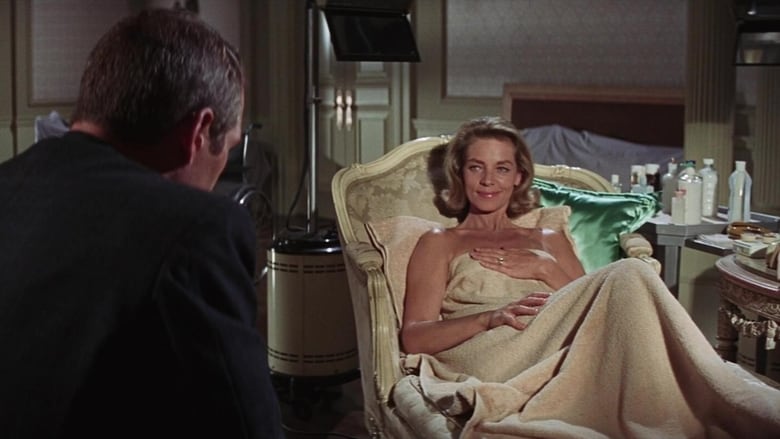
The film follows the story of Lew Harper (Paul Newman), a cynical and sharp-witted private detective hired by a wealthy woman, Elaine Sampson (Lauren Bacall), to find her missing husband, Ralph Sampson. As Harper delves into the investigation, he encounters a web of deceit, betrayal, and danger. The search leads him through a series of encounters with a colorful cast of characters, including an aging movie star, a deceitful lawyer, and a religious cult leader, each with their own secrets and motives.

Themes and Style

“Harper” captures the essence of the classic detective genre with its complex plot, witty dialogue, and morally ambiguous characters. The film explores themes of corruption, greed, and the blurred lines between good and evil. Its noir elements are enhanced by Conrad L. Hall’s atmospheric cinematography, which brings a moody and suspenseful tone to the film.

Cast and Performances

Paul Newman’s portrayal of Lew Harper is a standout, infusing the character with charisma and a sardonic edge. His performance is complemented by a talented supporting cast, including Lauren Bacall as the cold and calculating Elaine Sampson, Janet Leigh as Harper’s estranged wife, and Robert Wagner as the enigmatic Allan Taggert. Each actor brings depth and intrigue to their roles, contributing to the film’s compelling narrative.

Cultural Impact

“Harper” was well-received by audiences and critics alike, praised for its engaging storyline and Newman’s captivating performance. The film’s success helped to rejuvenate the detective genre in Hollywood during the 1960s. It also sparked a sequel, “The Drowning Pool,” released in 1975, with Newman reprising his role as Harper.

Conclusion

“Harper” remains a timeless detective thriller that showcases Paul Newman’s versatility as an actor and Jack Smight’s adept direction. Its clever script, strong performances, and classic noir elements make it a must-watch for fans of the genre. The film continues to be appreciated for its smart storytelling and the charismatic presence of its lead actor, ensuring its legacy in the pantheon of classic American cinema.

A Case of Rape (1974) – A Groundbreaking Made-for-TV Drama

prekforalldc.org – In the 1970s, television was rapidly becoming a powerful medium for storytelling, capable of reaching millions of viewers with compelling narratives and important social messages. One such narrative was “A Case of Rape,” a made-for-TV drama that aired in 1974. This film was significant not only for its bold handling of a sensitive subject but also for its impact on public discourse around sexual assault and the justice system.

Plot Overview

“A Case of Rape” stars Elizabeth Montgomery as Ellen Harrod, a housewife who becomes a victim of a brutal rape. The film follows her harrowing journey through the legal system as she seeks justice against her assailant. The storyline is a stark portrayal of the challenges faced by sexual assault survivors, highlighting issues such as victim-blaming, the inadequacies of the legal system, and the emotional and psychological toll on the victim.

Cultural and Social Impact

At the time of its release, “A Case of Rape” was groundbreaking in its frank depiction of rape and the subsequent legal processes. The film brought attention to the often traumatic experience of reporting a rape and the skepticism victims face from authorities and society. This portrayal resonated with audiences and sparked conversations about the need for legal reform and better support systems for survivors.

The film’s impact extended beyond entertainment, contributing to the broader movement for women’s rights and increased awareness about violence against women. It also played a role in influencing future portrayals of similar issues on television and in film, paving the way for more nuanced and empathetic storytelling.

Critical Reception

Critics praised Elizabeth Montgomery’s powerful performance, which brought depth and authenticity to her character’s plight. The film was lauded for its bold approach to a difficult topic, although it also faced criticism from some quarters for its graphic content and perceived sensationalism. Nevertheless, “A Case of Rape” is remembered as a pivotal moment in television history, reflecting and influencing the societal attitudes of its time.

Legacy

Today, “A Case of Rape” is viewed as a classic example of television’s potential to address serious social issues and effect change. It remains an important cultural artifact, reminding us of the progress made and the continuing challenges in addressing sexual violence and supporting survivors in their quest for justice.

Casino Royale (1967): A Unique Take on the James Bond Saga

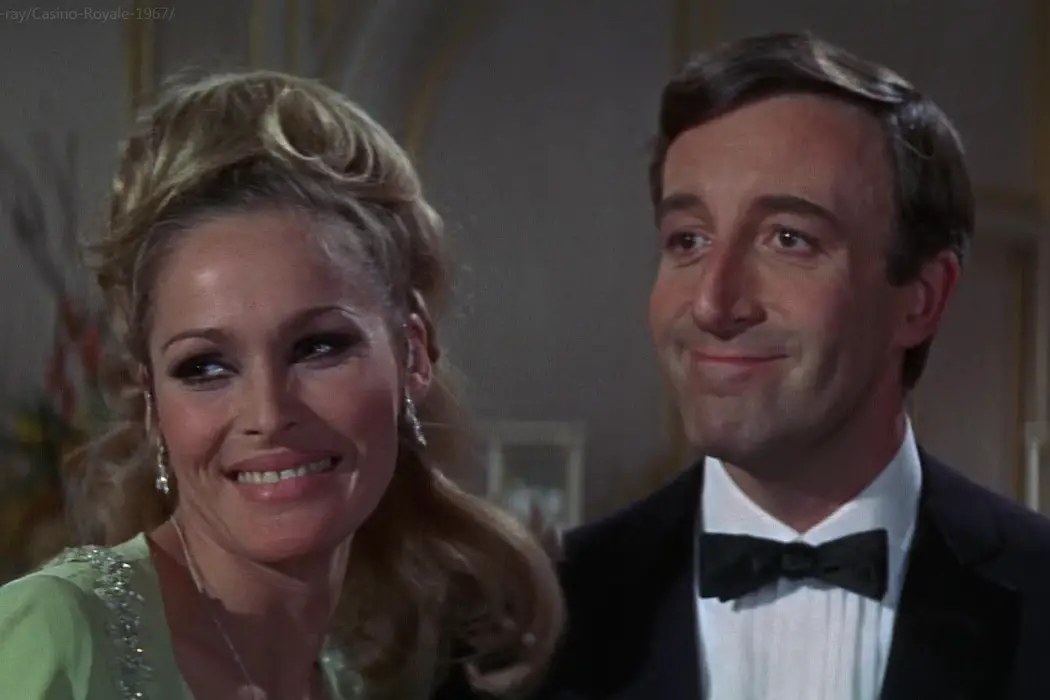
prekforalldc.org – “Casino Royale” (1967) is a film that stands out in the James Bond franchise for its unconventional approach and comedic twist. Unlike the more serious spy thrillers that characterized the Bond series, this movie offers a satirical and humorous take on the world of espionage. With an all-star cast and a unique narrative style, “Casino Royale” has earned a special place in cinema history.

A Star-Studded Cast

The film features an impressive ensemble cast, including David Niven, Peter Sellers, Ursula Andress, Orson Welles, and Woody Allen. David Niven plays the role of Sir James Bond, a retired secret agent who is reluctantly drawn back into the world of espionage. Peter Sellers, known for his comedic genius, portrays Evelyn Tremble, one of the many agents who assume the title of “James Bond” throughout the film.

A Parody of Spy Films

“Casino Royale” is a parody of the James Bond series and the spy genre as a whole. The film’s plot is a loose adaptation of Ian Fleming’s first Bond novel, but it takes significant liberties for comedic effect. The story revolves around a plan to confuse and outwit the villainous organization SMERSH by deploying multiple agents under the name “James Bond.”

Unique Narrative Style

The film’s narrative is divided into several segments, each directed by different filmmakers, including John Huston, Ken Hughes, Robert Parrish, Joseph McGrath, and Val Guest. This approach results in a series of loosely connected vignettes, each with its own style and humor. While this structure contributes to the film’s chaotic charm, it also leads to a somewhat disjointed story.

Visual and Musical Extravaganza

“Casino Royale” is known for its lavish production design and vibrant visuals. The film’s sets and costumes capture the opulent spirit of the 1960s, adding to the overall comedic and surreal atmosphere. The iconic musical score, composed by Burt Bacharach, includes the memorable theme song “The Look of Love,” performed by Dusty Springfield, which became a hit in its own right.

Critical Reception and Legacy

Upon its release, “Casino Royale” received mixed reviews from critics, with some praising its humor and creativity, while others found it disorganized and lacking coherence. Despite its polarizing reception, the film has gained a cult following over the years, appreciated for its daring departure from the traditional Bond formula and its playful commentary on the spy genre.

Conclusion

“Casino Royale” (1967) remains a distinctive entry in the James Bond canon, offering a comedic and whimsical take on the espionage world. Its star-studded cast, inventive humor, and memorable music have contributed to its enduring appeal. For fans of James Bond and classic cinema, this film provides a unique and entertaining experience that continues to be celebrated for its bold and unconventional approach.

The Searchers (1956): A Masterpiece of the Western Genre

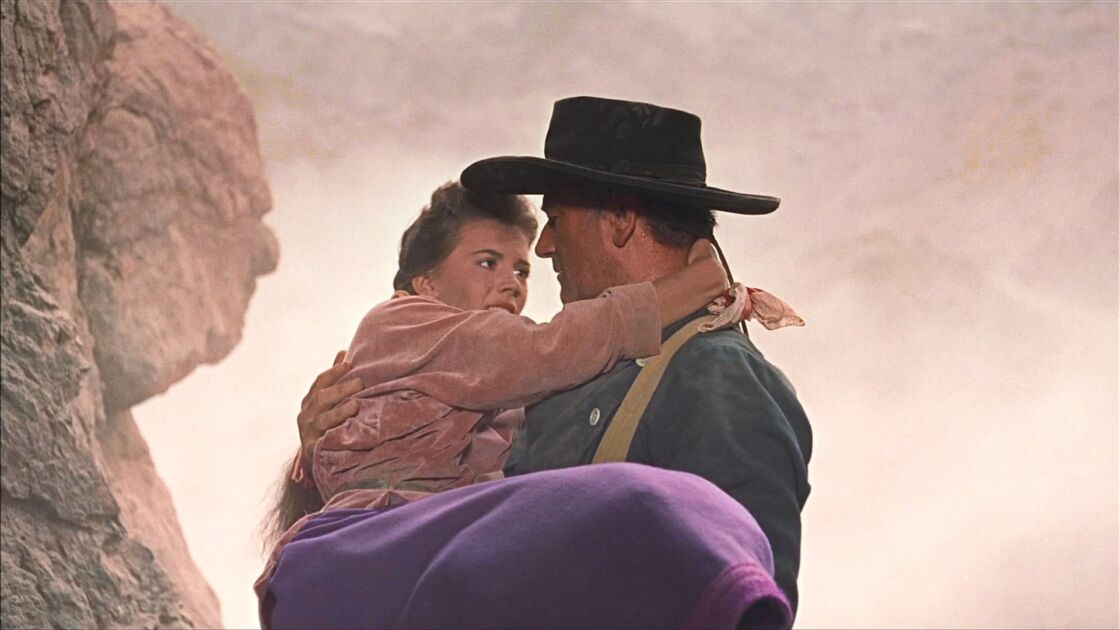
prekforalldc.org – The 1956 film “The Searchers,” directed by John Ford and starring John Wayne, is widely regarded as one of the greatest Westerns ever made. This epic film explores themes of vengeance, racism, and redemption against the backdrop of the Texas-Indian wars. Here is an in-depth look at the elements that make “The Searchers” a timeless classic and a pivotal work in American cinema.

A Story of Vengeance and Redemption

“The Searchers” follows the journey of Ethan Edwards, played by John Wayne, a Civil War veteran who returns to his brother’s home in Texas. Shortly after his arrival, a Comanche raid results in the slaughter of his brother’s family and the abduction of his niece, Debbie. Driven by a relentless desire for vengeance, Ethan embarks on a years-long quest to find Debbie, accompanied by his nephew, Martin Pawley. The film delves into Ethan’s complex character, revealing his deep-seated prejudices and internal struggles as he battles his own demons.

John Ford’s Masterful Direction

John Ford’s direction in “The Searchers” is a testament to his skill in crafting visually stunning and emotionally resonant narratives. The film’s breathtaking cinematography captures the vastness of the American West, using the landscape itself as a character in the story. Ford’s use of Monument Valley as a backdrop adds to the film’s iconic status, with sweeping vistas and dramatic lighting enhancing the epic scope of the narrative.

Themes of Racism and Redemption

At its core, “The Searchers” addresses the theme of racism, particularly through the character of Ethan Edwards. Ethan’s hatred for Native Americans is a central aspect of his character, driving much of the film’s tension. However, the film also explores the possibility of redemption, as Ethan’s journey forces him to confront his own biases and the cost of his obsessive quest. The film’s ambiguous ending leaves audiences questioning whether Ethan has truly changed, adding depth to its exploration of human nature.

Impact and Legacy

“The Searchers” has left a lasting impact on both the Western genre and cinema as a whole. Its influence can be seen in the works of filmmakers like Martin Scorsese and Steven Spielberg, who have cited the film as a major inspiration. The complex portrayal of its characters and themes has sparked discussions and analyses, cementing its status as a film that transcends the Western genre to explore universal human experiences.

In conclusion, “The Searchers” is more than just a Western; it is a profound exploration of the human condition, masterfully crafted by John Ford and brought to life by John Wayne’s iconic performance. Its legacy continues to resonate with audiences and filmmakers alike, making it an essential piece of American cinematic history.

We’re Not Married! (1952): A Romantic Comedy Anthology

prekforalldc.org – “We’re Not Married!” is a 1952 American anthology romantic comedy film directed by Edmund Goulding. Released by 20th Century Fox, this film features an ensemble cast and explores the humorous and unexpected consequences of a bureaucratic mishap that invalidates several marriages. With its light-hearted stories and star-studded cast, the film continues to charm audiences with its wit and humor.

Plot Summary

The film is structured as an anthology, comprising multiple interconnected stories. The central premise revolves around a major mix-up that occurs when Mr. Bush (Victor Moore), a newly appointed justice of the peace, unknowingly performs wedding ceremonies before his appointment officially takes effect. This oversight is discovered years later, revealing that several couples are not legally married.

The film follows five couples as they grapple with the revelation and decide how to handle their newfound marital status. Each couple’s story is filled with comedic situations and romantic entanglements, showcasing different reactions to the predicament.

Cast and Characters

“We’re Not Married!” features a talented ensemble cast, each bringing their own unique flair to the film. Notable performances include:

  • Ginger Rogers as Ramona Gladwyn, who faces the challenge of her unexpected single status.
  • Fred Allen as Steve Gladwyn, Ramona’s husband, who is equally surprised by the situation.
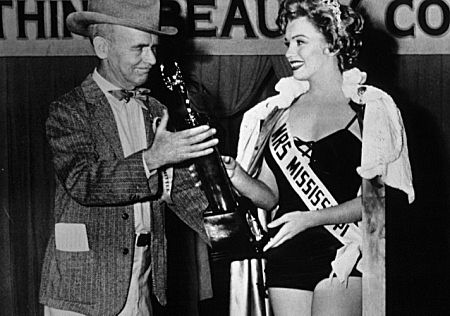
  • Marilyn Monroe as Annabel Norris, a beauty queen navigating her unintentional singlehood.
  • David Wayne as Jeff Norris, Annabel’s husband, who must confront the implications of their marriage status.
  • Eve ArdenPaul Douglas, and others add to the film’s vibrant cast, delivering memorable performances.

Themes and Style

The film cleverly explores themes of love, marriage, and the societal expectations surrounding relationships. Each couple’s story offers a humorous take on the challenges and misunderstandings that can arise in romantic partnerships. The anthology format allows for a diverse exploration of these themes, with each segment providing a fresh perspective.

“We’re Not Married!” captures the quintessential style of early 1950s romantic comedies, characterized by witty dialogue, charming performances, and a lighthearted tone. The film’s pacing and humor ensure an engaging viewing experience.

Reception and Legacy

Upon its release, “We’re Not Married!” was well-received for its entertaining narrative and charismatic performances. The film’s clever premise and anthology structure added to its appeal, making it a popular choice among audiences of the time.

Today, “We’re Not Married!” remains a beloved classic in the romantic comedy genre. Its ensemble cast, including the iconic Marilyn Monroe, adds to its enduring legacy. The film is often revisited for its humor and the timeless exploration of love and marriage.

Conclusion

“We’re Not Married!” is a delightful and charming exploration of love, marriage, and the unexpected twists that life can bring. With its engaging stories, talented cast, and comedic flair, the film continues to entertain audiences and holds a special place in the history of classic Hollywood cinema.

The Iron Ladies (2000): A Celebration of Diversity & Resilience

prekforalldc.org – “The Iron Ladies” (Thai: สตรีเหล็ก), directed by Yongyoot Thongkongtoon, is a groundbreaking Thai sports comedy film released in 2000. Based on a true story, the film follows a volleyball team composed predominantly of gay and transgender players, celebrating their journey to success while challenging societal norms and promoting inclusivity.

Plot Overview

Set in Thailand, “The Iron Ladies” tells the inspiring story of a volleyball team that defies expectations. Led by Mon and Jung, two openly gay athletes, the team faces discrimination and prejudice from both competitors and officials. Despite these challenges, they come together to form a unique and formidable squad, showcasing their talent and determination as they strive to win the national championship.

Themes and Characters

At its heart, “The Iron Ladies” is about perseverance, acceptance, and the power of embracing one’s identity. The film explores themes such as diversity, teamwork, and the breaking down of stereotypes. Each team member brings their own personality and story, creating a vibrant tapestry of characters who support and uplift each other in the face of adversity.

Cinematic Style

The film is known for its lively and humorous approach, blending comedy with poignant moments that highlight the characters’ struggles and triumphs. The energetic pacing and vibrant cinematography capture the excitement of volleyball matches, while the soundtrack enhances the film’s uplifting and celebratory tone.

Impact and Legacy

“The Iron Ladies” was a major box office success in Thailand and received international acclaim for its positive representation of LGBTQ+ individuals in sports. The film won several awards, including the Thailand National Film Association Award for Best Picture. Its success paved the way for greater visibility and acceptance of diverse stories in Thai cinema, inspiring audiences worldwide with its message of resilience and unity.

Conclusion

“The Iron Ladies” is a joyous and inspiring film that champions the strength found in diversity and the courage to be oneself. Its engaging narrative and memorable characters continue to resonate with audiences, offering an entertaining and heartfelt reminder of the importance of inclusion and the power of team spirit. Whether you’re a fan of sports comedies or stories that celebrate individuality, “The Iron Ladies” is a must-watch film that leaves a lasting impact.

The Grandmaster (2013): Martial Arts and Philosophy

prekforalldc.org – “The Grandmaster,” directed by Wong Kar-wai, is a 2013 martial arts drama that offers a mesmerizing portrayal of the legendary Wing Chun master, Ip Man. Known for its exquisite cinematography and profound storytelling, the film transcends typical martial arts narratives, blending action with philosophical musings on time, love, and legacy.

Historical Context and Plot Overview

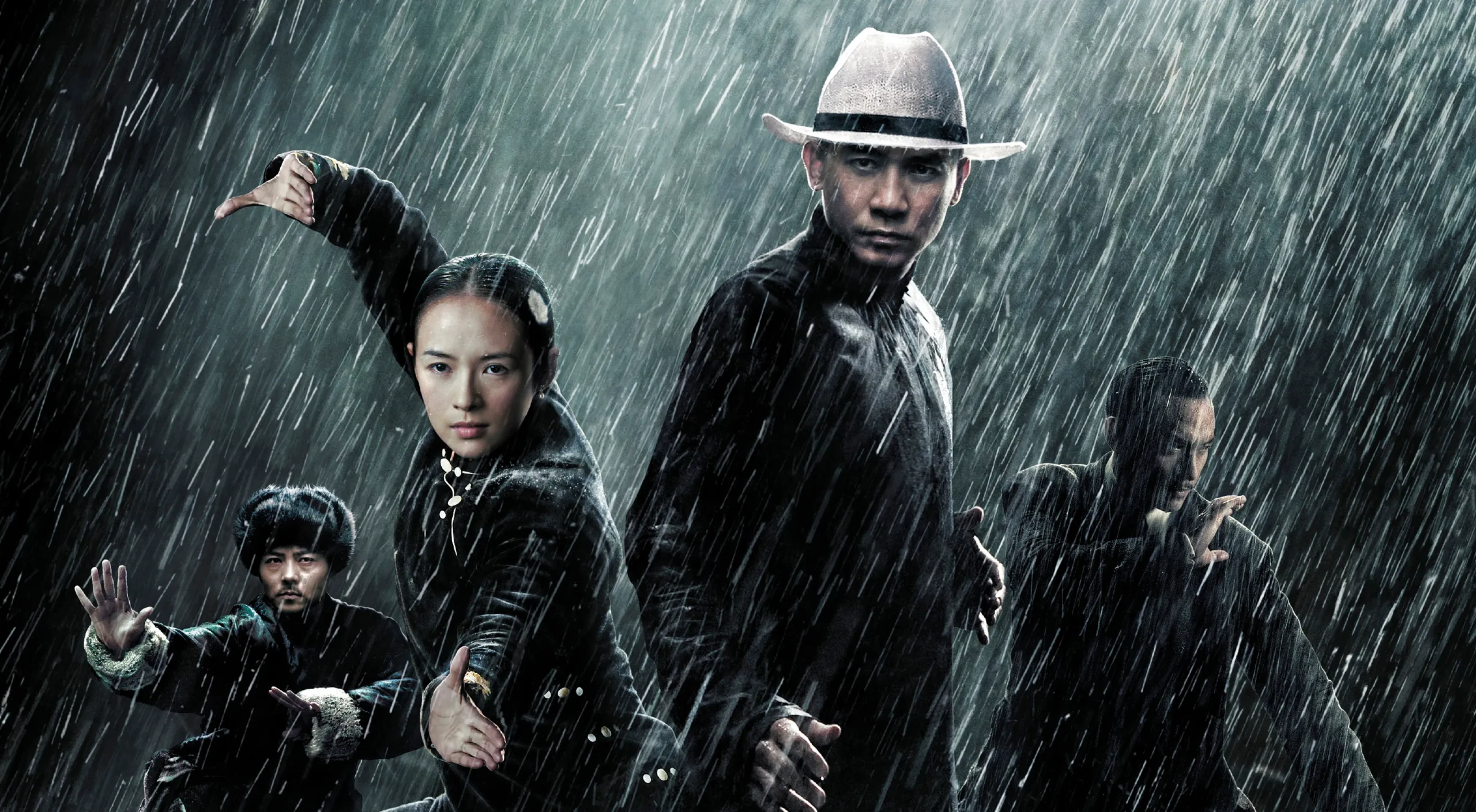
Set against the backdrop of early 20th-century China, “The Grandmaster” chronicles the life of Ip Man (played by Tony Leung Chiu-wai) from his early years in Foshan to his migration to Hong Kong. The film explores Ip Man’s encounters with other martial arts masters, particularly Gong Er (played by Zhang Ziyi), a woman determined to uphold her family’s honor. The narrative delves into themes of tradition, honor, and the personal sacrifices made by these martial artists.

Artistic Vision and Cinematography

Wong Kar-wai’s direction is a visual feast, characterized by slow-motion sequences that emphasize the grace and precision of martial arts. The film’s aesthetic is further enhanced by the atmospheric use of rain, snow, and smoke, creating a dreamlike quality that immerses viewers in a world where martial arts is as much about inner peace and philosophical understanding as it is about physical prowess.

Themes and Character Development

Central to the film is the exploration of philosophical themes such as time, destiny, and the essence of martial arts as a way of life. Ip Man’s character embodies humility and resilience, while Gong Er represents the struggle for identity and the burden of legacy. Their interactions add depth to the narrative, highlighting the personal costs of adhering to tradition and the relentless pursuit of mastery.

Conclusion

“The Grandmaster” stands as a testament to Wong Kar-wai’s ability to infuse traditional martial arts cinema with profound philosophical questions and artistic elegance. It is a film that not only entertains but also invites introspection, leaving a lasting impression on both martial arts enthusiasts and cinephiles alike.

The Timeless Appeal of Forrest Gump

prekforalldc.org – “Forrest Gump,” the 1994 film directed by Robert Zemeckis and based on the novel by Winston Groom, has remained a beloved classic in the landscape of American cinema. With its unique blend of drama, comedy, and historical commentary, the movie continues to capture the hearts of audiences around the world. This article explores the reasons behind its enduring appeal and the themes that resonate with viewers across generations.

The Story and Its Unique Perspective

At its core, “Forrest Gump” tells the story of a kind-hearted man from Alabama, portrayed by Tom Hanks, who unwittingly finds himself at the center of pivotal moments in American history. From the Vietnam War to the Watergate scandal, Forrest’s journey offers a quirky yet insightful perspective on the latter half of the 20th century. The film’s narrative style, which combines historical footage with fictional events, creates a seamless blend of reality and imagination.

Character Development and Performance

Tom Hanks’ portrayal of Forrest Gump is nothing short of iconic. His performance brings an authenticity and charm to the character, making Forrest’s innocence and sincerity entirely believable. Hanks’ ability to convey Forrest’s childlike wonder and unwavering kindness is central to the film’s emotional impact. The supporting cast, including Robin Wright as Jenny and Gary Sinise as Lieutenant Dan, also deliver memorable performances that enrich the story.

Themes of Hope and Resilience

One of the most compelling aspects of “Forrest Gump” is its exploration of themes such as hope, resilience, and the unpredictability of life. Forrest’s journey is a testament to the idea that one does not need to be extraordinary to achieve extraordinary things. His simple wisdom and perseverance inspire viewers to embrace life’s challenges and find meaning in the ordinary.

Cultural Impact and Legacy

“Forrest Gump” left a significant mark on popular culture, not only through its memorable quotes and scenes but also through its soundtrack, which features classic hits from the 60s and 70s. The film’s success at the box office and its multiple Academy Awards, including Best Picture and Best Actor for Tom Hanks, cemented its status as a cinematic masterpiece.

Conclusion

The enduring appeal of “Forrest Gump” lies in its ability to resonate with audiences through its heartwarming story, compelling characters, and universal themes. As Forrest famously says, “Life is like a box of chocolates; you never know what you’re gonna get.” This sentiment captures the essence of the film and serves as a reminder of the beauty and unpredictability of life. Whether you’re watching it for the first time or the twentieth, “Forrest Gump” continues to offer a poignant and entertaining experience.