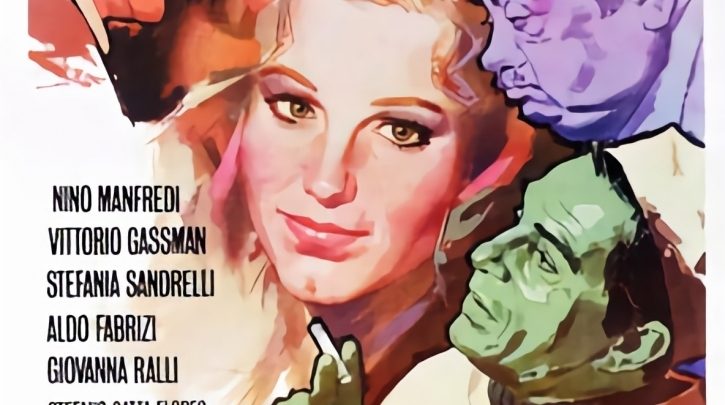
prekforalldc.org – Italian cinema has gifted the world with a wealth of cinematic gems, and “We All Loved Each Other So Much” (original title: “C’eravamo tanto amati”) is undoubtedly one of its finest contributions. Directed by Ettore Scola, this 1974 film is a poignant and bittersweet examination of friendship, idealism, and the passage of time in post-war Italy. Combining humor, nostalgia, and social commentary, the film continues to resonate with audiences as a testament to Italy’s rich cultural and political evolution.
Plot Overview
“We All Loved Each Other So Much” tells the story of three friends—Gianni (Vittorio Gassman), Nicola (Stefano Satta Flores), and Antonio (Nino Manfredi)—who meet while fighting for the Italian Resistance during World War II. After the war ends, the three go their separate ways but remain connected by their shared ideals and friendship. Over the course of 30 years, the film chronicles their individual journeys, as they navigate careers, love lives, and disillusionment with the idealistic dreams they held in their youth.
Gianni becomes a successful lawyer but compromises his left-wing principles to gain wealth and status. Nicola, a passionate intellectual, is a film critic whose obsession with cinema and politics isolates him from reality. Antonio, the most sincere of the three, continues to work humbly as a hospital orderly, maintaining his connection to the working class. Their shared love for Luciana (Stefania Sandrelli) adds emotional complexity to the story, as their romantic entanglements highlight the personal sacrifices each man makes.
A Nostalgic Tribute to Italian Cinema
One of the film’s most striking aspects is its homage to Italian cinema, with direct references to the Neorealist movement, particularly to Vittorio De Sica‘s “Bicycle Thieves” and Federico Fellini‘s work. Through Nicola, a passionate lover of cinema, Scola pays tribute to the transformative power of film, depicting its role in shaping both the political consciousness and emotional lives of the post-war generation. The use of flashbacks, montages, and film-within-a-film techniques adds a layer of meta-narrative that deepens the film’s commentary on Italian society.
Social and Political Commentary
At its core, “We All Loved Each Other So Much” is a reflection on the disillusionment of the generation that lived through the optimism of the post-war era and the eventual decline of those ideals in the face of capitalist pressures. Each of the three friends represents a different path, mirroring the choices faced by many Italians during the rapid modernization and industrialization of the 1950s and 1960s.
The film is a nuanced critique of Italy’s shift away from leftist ideals, as seen through the compromises made by Gianni, the failure of Nicola’s intellectualism, and Antonio’s quiet perseverance. It also explores themes of loyalty, loss, and the often painful gap between dreams and reality. Scola’s ability to infuse these heavy themes with humor, irony, and affection for his characters makes the film both touching and thought-provoking.
Performances and Direction
Ettore Scola’s direction is masterful, blending humor and tragedy to create a film that is both deeply personal and universal. The performances of the three leads are exceptional. Vittorio Gassman delivers a nuanced portrayal of Gianni, embodying the conflict between personal ambition and moral compromise. Nino Manfredi‘s Antonio brings warmth and sincerity to the film, while Stefano Satta Flores perfectly captures Nicola’s idealistic fervor and ultimate frustration.
Stefania Sandrelli shines as Luciana, a woman who is caught in the emotional crossfire of the three men. Her character adds depth to the film’s exploration of love and sacrifice.
Legacy
“We All Loved Each Other So Much” has become a beloved classic in Italian cinema. Its exploration of friendship, political idealism, and personal transformation resonates across generations. The film captures the spirit of post-war Italy, while also providing a timeless reflection on how life shapes and tests our deepest convictions.
Scola’s film is a celebration of Italian cinema, an ode to friendship, and a melancholy meditation on the passage of time. Decades after its release, “We All Loved Each Other So Much” remains an essential piece of Italian film history, reminding viewers that while dreams may fade, the bonds of love and friendship endure.