Valerie (1957): A Western Tale of Deception and Desire

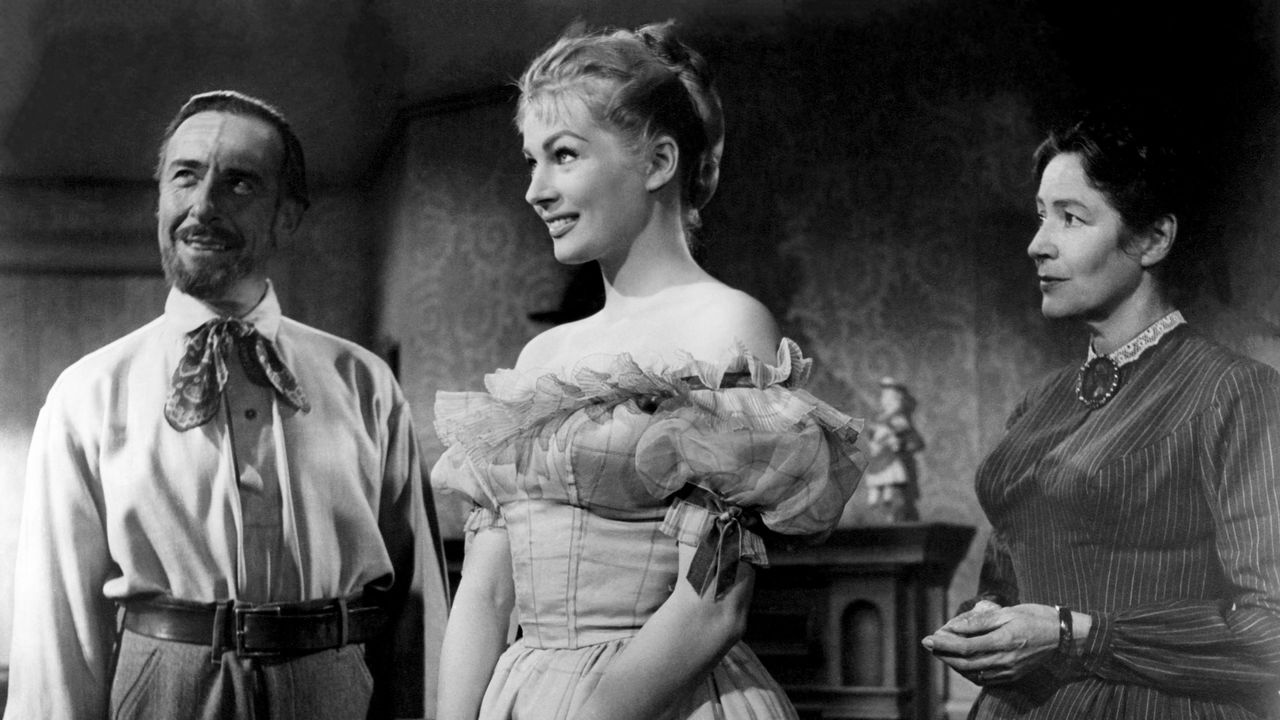
prekforalldc.orgValerie is a 1957 American Western film directed by Gerd Oswald and starring Sterling Hayden, Anita Ekberg, and Anthony Steel. The film is notable for its unique structure, inspired by Akira Kurosawa’s classic Rashomon, where the same events are recounted from different perspectives, leading to a complex and ambiguous narrative.   

Plot Summary

The film opens with a shocking scene: John Garth (Sterling Hayden), a war veteran, shoots and kills his father-in-law, mother-in-law, and wounds his wife, Valerie (Anita Ekberg). As Garth stands trial for murder, the story unfolds through a series of flashbacks, with each character offering their own version of events.

  • The Reverend’s Perspective: Reverend Steven Blake (Anthony Steel) portrays Valerie as a troubled woman who sought his spiritual guidance. He paints a picture of a possessive and jealous husband, driven to violence by his wife’s infidelity.
  • Garth’s Perspective: Garth, in his testimony, claims that Valerie was a manipulative and seductive woman who led him to a life of despair. He portrays himself as a victim of her deceitful nature.
  • Valerie’s Perspective: From her hospital bed, Valerie offers her own account, revealing a dark and disturbing truth about her marriage. She paints a picture of a controlling and abusive husband who used psychological torture to break her spirit.

A Psychological Western

Valerie is more than just a Western; it’s a psychological exploration of human nature, love, and betrayal. The film delves into the complexities of memory and perception, questioning the reliability of eyewitness testimony. By presenting multiple perspectives, the film challenges the audience to form their own conclusions about what truly happened.

The film’s use of flashbacks and shifting perspectives creates a sense of uncertainty and disorientation, mirroring the confusion and chaos of the characters’ lives. The stark contrast between the idyllic Western setting and the dark, psychological themes adds to the film’s unsettling atmosphere.

A Bold Departure from the Western Genre

Valerie is a bold departure from the traditional Western formula. Instead of focusing on action and adventure, the film prioritizes character development and psychological exploration. The film’s willingness to challenge conventional storytelling techniques and explore taboo subjects makes it a unique and thought-provoking work.

While Valerie may not be as well-known as some of the classic Westerns, it remains a fascinating and underrated gem. Its innovative storytelling, strong performances, and timeless themes continue to resonate with audiences today.
The Searchers (1956): A Masterpiece of the Western Genre

prekforalldc.org – The 1956 film “The Searchers,” directed by John Ford and starring John Wayne, is widely regarded as one of the greatest Westerns ever made. This epic film explores themes of vengeance, racism, and redemption against the backdrop of the Texas-Indian wars. Here is an in-depth look at the elements that make “The Searchers” a timeless classic and a pivotal work in American cinema.

A Story of Vengeance and Redemption

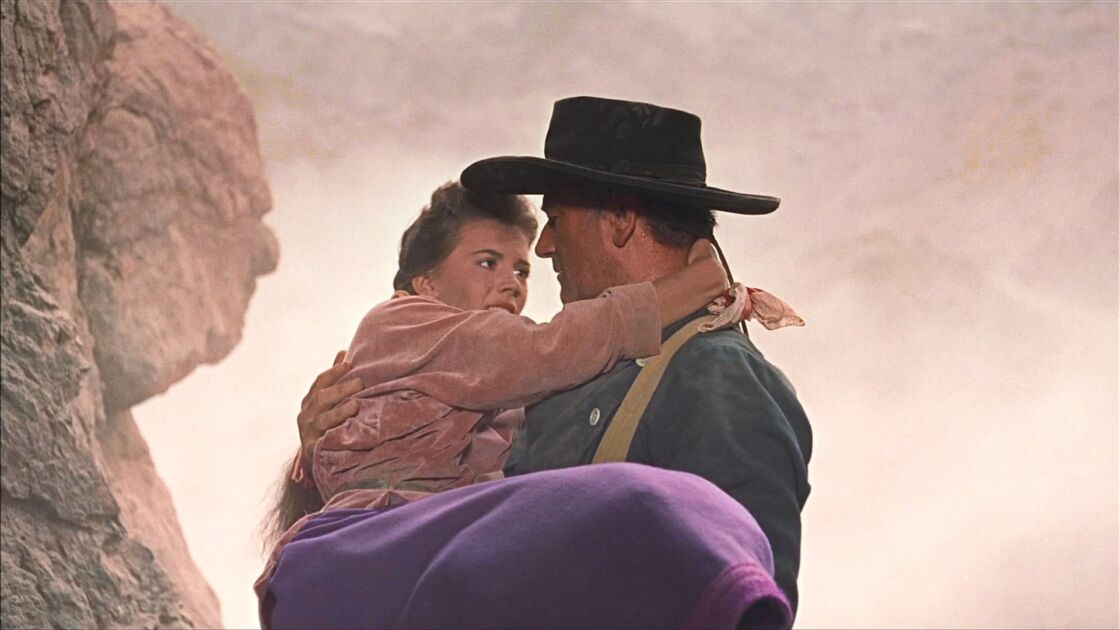
“The Searchers” follows the journey of Ethan Edwards, played by John Wayne, a Civil War veteran who returns to his brother’s home in Texas. Shortly after his arrival, a Comanche raid results in the slaughter of his brother’s family and the abduction of his niece, Debbie. Driven by a relentless desire for vengeance, Ethan embarks on a years-long quest to find Debbie, accompanied by his nephew, Martin Pawley. The film delves into Ethan’s complex character, revealing his deep-seated prejudices and internal struggles as he battles his own demons.

John Ford’s Masterful Direction

John Ford’s direction in “The Searchers” is a testament to his skill in crafting visually stunning and emotionally resonant narratives. The film’s breathtaking cinematography captures the vastness of the American West, using the landscape itself as a character in the story. Ford’s use of Monument Valley as a backdrop adds to the film’s iconic status, with sweeping vistas and dramatic lighting enhancing the epic scope of the narrative.

Themes of Racism and Redemption

At its core, “The Searchers” addresses the theme of racism, particularly through the character of Ethan Edwards. Ethan’s hatred for Native Americans is a central aspect of his character, driving much of the film’s tension. However, the film also explores the possibility of redemption, as Ethan’s journey forces him to confront his own biases and the cost of his obsessive quest. The film’s ambiguous ending leaves audiences questioning whether Ethan has truly changed, adding depth to its exploration of human nature.

Impact and Legacy

“The Searchers” has left a lasting impact on both the Western genre and cinema as a whole. Its influence can be seen in the works of filmmakers like Martin Scorsese and Steven Spielberg, who have cited the film as a major inspiration. The complex portrayal of its characters and themes has sparked discussions and analyses, cementing its status as a film that transcends the Western genre to explore universal human experiences.

In conclusion, “The Searchers” is more than just a Western; it is a profound exploration of the human condition, masterfully crafted by John Ford and brought to life by John Wayne’s iconic performance. Its legacy continues to resonate with audiences and filmmakers alike, making it an essential piece of American cinematic history.