Chakalaka: A Spicy Symphony of South African Flavors

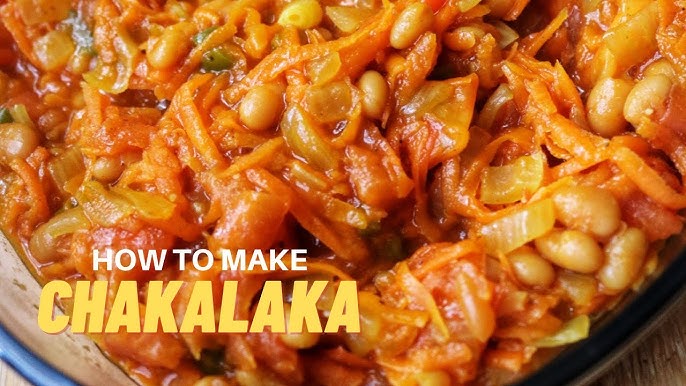
prekforalldc.org – Chakalaka, a vibrant and flavorful vegetable relish, is a staple in South African cuisine. This spicy condiment, often served alongside braai (barbecue), pap (maize porridge), and bread, has a rich history and a complex flavor profile that has captivated food lovers worldwide. This article delves into the origins, ingredients, preparation, and cultural significance of chakalaka, exploring why it continues to be a beloved dish in South Africa and beyond.   

Origins in the Mines: A Dish Born of Necessity

Chakalaka’s history is rooted in the mining communities of South Africa, particularly around Johannesburg’s gold mines. During the apartheid era, migrant workers from diverse backgrounds were drawn to the mines, bringing with them their unique culinary traditions. Chakalaka emerged as a way to create a flavorful and nutritious meal using readily available and affordable ingredients. Canned baked beans, tomatoes, onions, and spices formed the base of this resourceful dish, providing sustenance and a taste of home for the miners.   

A Medley of Ingredients: Building Layers of Flavor

While variations exist, the core ingredients of chakalaka typically include:

  • Beans: Baked beans in tomato sauce are a common base, providing a creamy texture and sweetness.   
  • Onions: Onions form the aromatic foundation, adding depth and pungency.   
  • Tomatoes: Tomatoes contribute acidity, sweetness, and a rich red color.   
  • Peppers: Chili peppers, both fresh and dried, are essential for the characteristic spiciness of chakalaka. The type and quantity of peppers used determine the heat level.   
  • Spices: A blend of spices, including curry powder, ginger, garlic, and sometimes cumin or coriander, adds complexity and warmth.   
  • Other Vegetables: Carrots, bell peppers, and sometimes green beans or cauliflower can be added for extra texture and flavor.

The Art of Preparation: Simmering Flavors to Perfection

Preparing chakalaka involves a process of layering flavors through careful cooking:

  1. Sautéing Aromatics: Onions, garlic, and ginger are typically sautéed in oil until softened and fragrant.
  2. Adding Spices: Spices are added to the sautéed aromatics and cooked briefly to release their flavors.
  3. Incorporating Vegetables: Tomatoes, peppers, and other vegetables are added and simmered until softened.   
  4. Adding Beans: Finally, the baked beans are added and the mixture is simmered until the flavors meld together.   

The key to a good chakalaka is allowing the flavors to meld together during the simmering process. This allows the spices to infuse the vegetables and beans, creating a harmonious and complex flavor profile.

A Versatile Condiment: From Braai to Bunny Chow

Chakalaka’s versatility is one of its greatest strengths. It is traditionally served as a condiment alongside braai, adding a spicy kick to grilled meats. It is also a popular accompaniment to pap, a staple maize porridge in South Africa. Chakalaka is a key ingredient in bunny chow, a Durban street food consisting of a hollowed-out loaf of bread filled with curry. It can also be enjoyed with bread, rice, or as a filling for sandwiches and wraps.   

Cultural Significance: A Symbol of Unity and Resilience

Chakalaka has evolved from a humble dish created out of necessity to a symbol of South African culinary heritage. It represents the resourcefulness and resilience of the mining communities and the blending of diverse cultures. Its vibrant flavors and versatility have made it a beloved dish enjoyed by people from all walks of life.   

Beyond South Africa: Chakalaka’s Global Appeal

Chakalaka’s popularity has spread beyond South Africa’s borders, with variations appearing in other African countries and around the world. Its unique flavor profile and versatility have captured the attention of food enthusiasts seeking bold and exciting flavors.   

In Conclusion:

Chakalaka is more than just a spicy vegetable relish; it is a testament to South Africa’s rich culinary heritage and a symbol of its diverse cultural landscape. From its humble beginnings in the mining communities to its current status as a beloved dish worldwide, chakalaka continues to tantalize taste buds with its vibrant flavors and versatile applications.

Restoran BBQ Terkenal di Indonesia: Surga Bagi Pecinta Daging

Bagi Anda yang penggemar daging panggang, Indonesia memiliki banyak restoran BBQ yang menawarkan pengalaman slot gacor qris kuliner luar biasa. Dari BBQ ala Amerika hingga Korea, berikut adalah beberapa restoran BBQ terkenal di Indonesia yang wajib Anda coba:

  1. Holy Smokes BBQ
    • Lokasi: Jakarta
    • Deskripsi: Holy Smokes BBQ adalah destinasi BBQ paling otentik di Jakarta yang menyajikan hidangan BBQ ala Amerika. Dikenal dengan daging sapi brisket, spare ribs, dan pulled pork yang dimasak dengan teknik slow-cooked, restoran ini memberikan rasa smoky yang mendalam dan tekstur daging yang lembut. Nikmati hidangan BBQ khas Amerika dengan saus BBQ yang kaya rasa, sambil menikmati suasana yang nyaman dan hangat.
  2. T.G.I. Friday’s
    • Lokasi: Jakarta, Surabaya, Bali
    • Deskripsi: T.G.I. Friday’s adalah restoran internasional yang terkenal dengan hidangan BBQ yang menggugah selera. Ribs, grilled chicken, dan BBQ burgers adalah menu favorit di sini. Suasana restoran yang kasual dan ramah keluarga menjadikannya pilihan yang sempurna untuk makan bersama orang terdekat sambil menikmati daging panggang yang lezat.
  3. The Smoke House BBQ
    • Lokasi: Bandung
    • Deskripsi: The Smoke House BBQ di Bandung menawarkan pengalaman BBQ otentik dengan berbagai pilihan daging, seperti beef ribs, pork ribs, dan chicken wings. Daging-daging tersebut dimasak menggunakan teknik slow-cooked yang menghasilkan rasa smokey dan tekstur daging yang empuk. Dengan suasana yang cozy, restoran ini adalah tempat yang sempurna untuk menikmati hidangan BBQ sambil bersantai.
  4. Korean BBQ & Grill
    • Lokasi: Jakarta, Bali, Surabaya
    • Deskripsi: Korean BBQ & Grill memberikan pengalaman makan BBQ ala Korea dengan berbagai pilihan daging premium yang dipanggang langsung di meja Anda. Daging sapi, ayam, dan babi yang dipanggang bersama berbagai banchan (side dishes) akan membuat Anda merasakan cita rasa Korea yang autentik. Tempat ini cocok untuk makan bersama teman atau keluarga dalam suasana yang interaktif dan menyenangkan.
  5. Bubur Ayam & BBQ 88
    • Lokasi: Jakarta
    • Deskripsi: Bubur Ayam & BBQ 88 adalah tempat yang menawarkan perpaduan unik antara masakan Indonesia dan BBQ. Di sini, Anda dapat menikmati daging panggang seperti chicken wings dan ribs, sambil memadukannya dengan bubur ayam khas Indonesia. Kombinasi rasa lokal dan internasional ini menjadikan restoran ini pilihan yang menarik untuk para pecinta kuliner.

Kelima restoran BBQ terkenal di Indonesia ini memberikan pengalaman kuliner yang memuaskan bagi pecinta daging. Dengan berbagai pilihan dari BBQ ala Amerika hingga Korea, Anda dapat menikmati hidangan daging panggang yang lezat di tempat-tempat yang menawarkan suasana nyaman dan menyenangkan. Jangan lewatkan kesempatan untuk menikmati kelezatan BBQ di restoran-restoran ini!

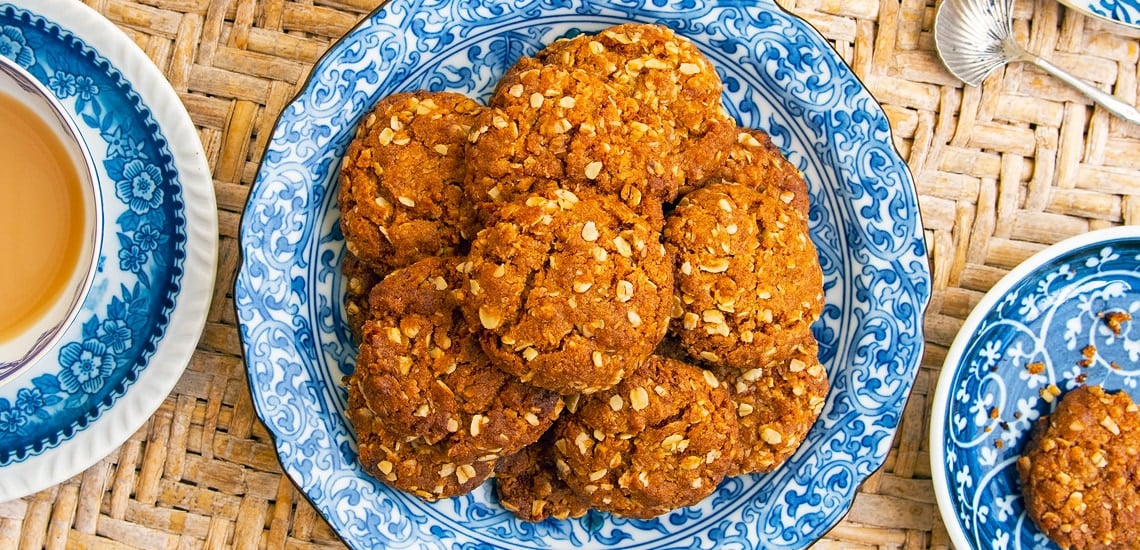
Anzac Biscuits: A Timeless Treat – A Sweet Tribute to the Anzacs

prekforalldc.org – Anzac biscuits, a simple yet satisfying treat, have been a beloved part of Australian and New Zealand culture for over a century. These hearty biscuits, made with oats, butter, and golden syrup, have a rich history that stretches back to World War I.

A Sweet Tribute to the Anzacs

During the First World War, women in Australia and New Zealand sent care packages to their loved ones serving overseas. These packages often included Anzac biscuits, a durable and nutritious snack that could withstand the rigors of wartime conditions. The biscuits were named in honor of the Australian and New Zealand Army Corps (ANZAC), a military force that fought alongside British and Allied troops during the war.

A Recipe for the Ages

The original recipe for Anzac biscuits has been passed down through generations, with slight variations emerging over time. However, the core ingredients and method remain largely unchanged. The simplicity of the recipe, combined with the availability of the ingredients, has contributed to the enduring popularity of these biscuits.

Ingredients:

  • 1 cup plain flour
  • 1 cup rolled oats
  • 1/2 cup desiccated coconut
  • 1/2 cup caster sugar
  • 125g unsalted butter, melted
  • 1/4 cup golden syrup
  • 1 teaspoon bicarbonate of soda
  • 1 tablespoon boiling water

Instructions:

  1. Combine Dry Ingredients: In a large bowl, combine the flour, oats, coconut, and sugar.
  2. Mix Wet Ingredients: In a separate bowl, combine the melted butter, golden syrup, and bicarbonate of soda. Pour the wet ingredients into the dry ingredients and mix well until a dough forms.
  3. Shape the Biscuits: Roll tablespoonfuls of dough into balls and place them on a baking tray lined with baking paper. Slightly flatten the balls with a fork.
  4. Bake: Bake in a preheated oven at 180°C (350°F) for 10-15 minutes, or until golden brown.
  5. Cool and Enjoy: Remove the biscuits from the oven and let them cool on the baking tray before transferring them to a wire rack to cool completely.

Tips for Perfect Anzac Biscuits:

  • Use High-Quality Ingredients: The quality of your ingredients can significantly impact the flavor and texture of your biscuits.
  • Don’t Overmix: Overmixing the dough can result in tough biscuits. Mix just until the ingredients are combined.
  • Don’t Flatten Too Much: Slightly flattening the dough balls with a fork will create a distinctive crisscross pattern on the biscuits. However, don’t flatten them too much, as this can affect their shape and texture.
  • Store Properly: Store your Anzac biscuits in an airtight container to keep them fresh.

Anzac biscuits are more than just a delicious treat; they are a symbol of Australian and New Zealand heritage. By making these biscuits at home, you can honor the Anzacs and connect with a piece of history. Whether you’re enjoying them with a cup of tea or sharing them with loved ones, Anzac biscuits are sure to bring a taste of nostalgia and a sense of community.

Kajmak: A Creamy Indulgence from the Balkans

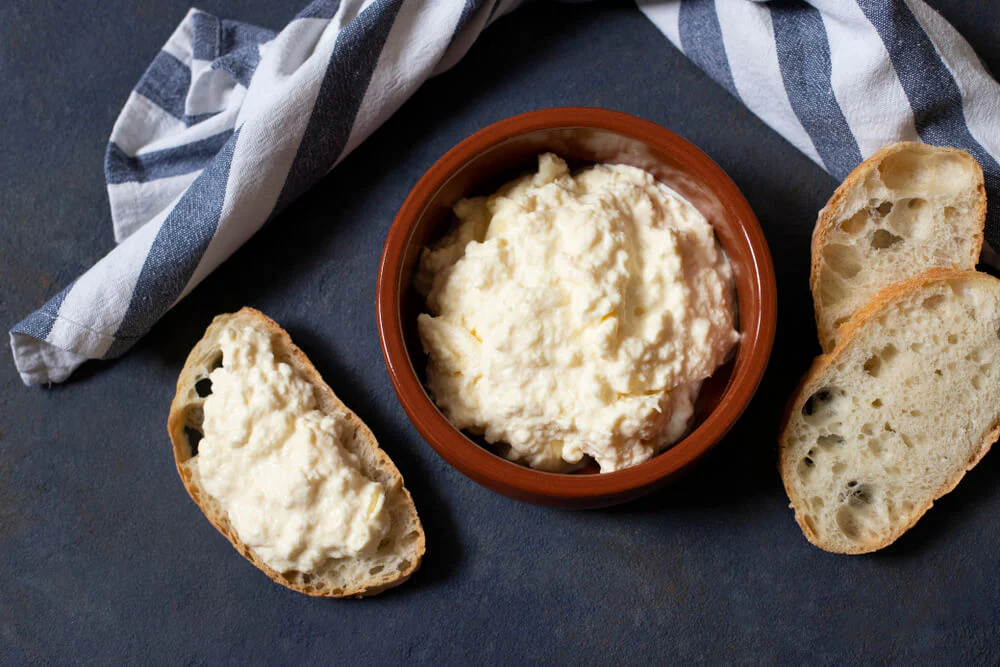
prekforalldc.org – Kajmak, a creamy, unctuous dairy spread, is a beloved delicacy across the Balkan region. This rich and flavorful cheese is often compared to clotted cream, but with a distinct tangy sweetness that sets it apart. Its versatility makes it a staple in many regional cuisines, from breakfast spreads to savory dishes and desserts.   

The Art of Making Kajmak

The traditional method of making Kajmak is a labor-intensive process that requires patience and skill. Whole milk, usually from cows or sheep, is slowly heated until a thick layer of cream forms on the surface. This cream is carefully skimmed off and layered in a wooden container, often seasoned with salt. Over time, the cream matures and develops its characteristic creamy texture and tangy flavor.

A Culinary Chameleon

Kajmak’s versatility is one of its most appealing qualities. It can be enjoyed in a variety of ways, both sweet and savory. Here are some popular ways to savor this delectable spread:

  • Breakfast Delight: Spread Kajmak generously on warm bread or toast, and enjoy it with a cup of strong coffee or tea.
  • Savory Indulgence: Use Kajmak as a topping for grilled meats, such as kebabs or grilled vegetables. It adds a rich, creamy element that complements the smoky flavors of the grilled food.
  • Sweet Treat: Kajmak is a popular ingredient in many Balkan desserts. It can be used as a filling for pastries, such as baklava, or as a topping for fruit-based desserts, such as pancakes or waffles.  

A Cultural Treasure

Beyond its culinary significance, Kajmak also holds cultural importance in the Balkan region. It is often associated with hospitality and is frequently offered to guests as a sign of welcome. Sharing a plate of Kajmak with bread and a cup of strong coffee is a common social ritual in many Balkan households.

The Elegant Asparagus: A Culinary Delight

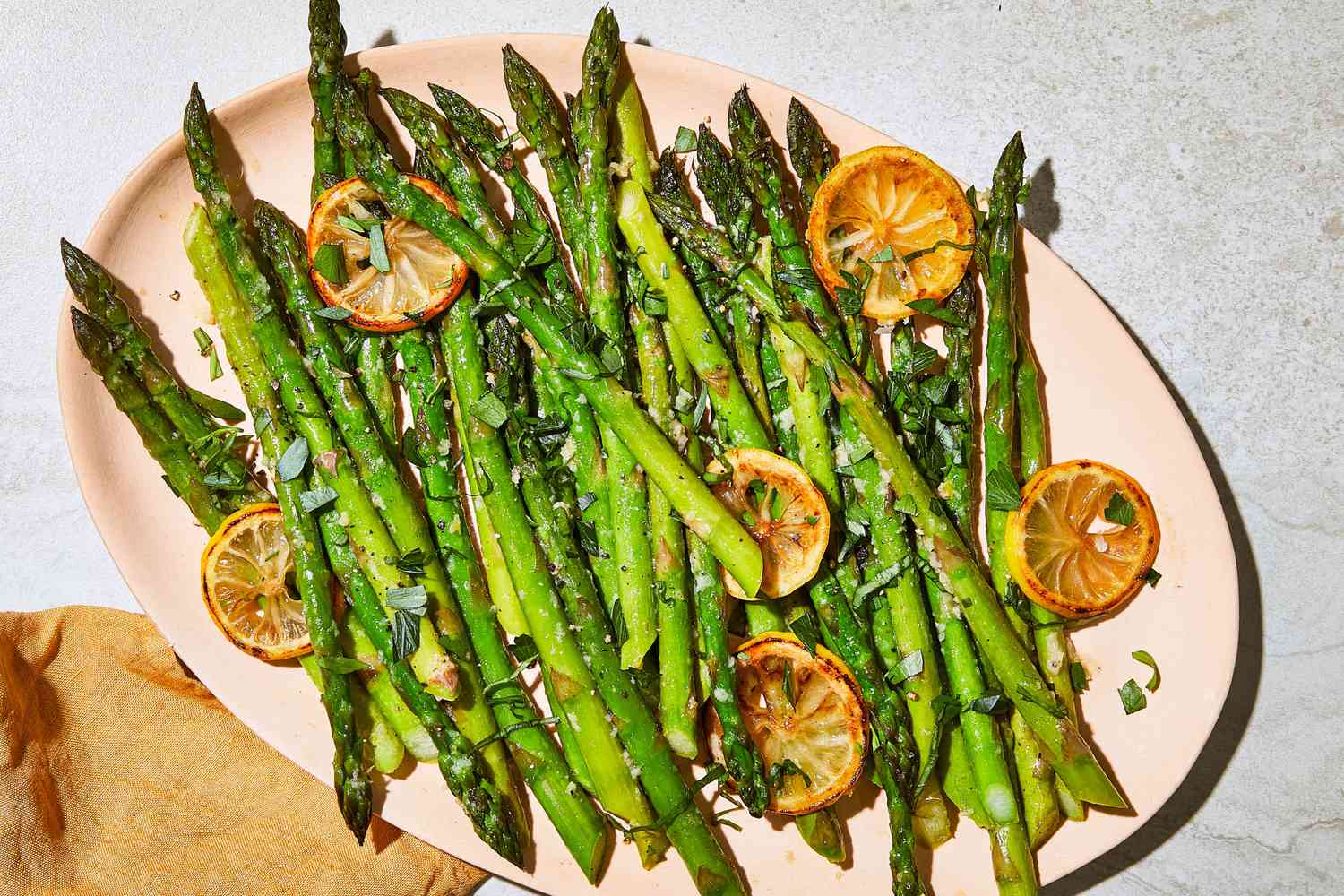
prekforalldc.org – Asparagus, with its delicate spears and earthy flavor, has been a prized vegetable for centuries. Its elegant appearance and nutritional value have made it a staple in many cuisines around the world. From ancient Roman feasts to modern-day gourmet dishes, asparagus continues to captivate taste buds and nourish bodies.

A Brief History

The origins of asparagus cultivation can be traced back to ancient Egypt, where it was cultivated along the Nile River. The Greeks and Romans also prized asparagus, incorporating it into their culinary traditions. In Europe, asparagus cultivation flourished during the Middle Ages, and it eventually made its way to the Americas with European settlers.

Types of Asparagus

There are two primary types of asparagus: green and white.

  • Green Asparagus: The most common type, it is harvested before the spears develop chlorophyll, resulting in a bright green color.
  • White Asparagus: Grown by hilling the plants with soil to prevent sunlight from reaching the spears, resulting in a pale white color.

Nutritional Benefits

Asparagus is a nutritional powerhouse, packed with essential vitamins, minerals, and antioxidants. Some of its key health benefits include:

  • Rich in Vitamins and Minerals: Asparagus is an excellent source of vitamins A, C, K, and folate, as well as minerals like potassium and iron.
  • Antioxidant Properties: The antioxidants in asparagus help protect cells from damage caused by free radicals.
  • Digestive Health: The fiber content in asparagus promotes healthy digestion and prevents constipation.
  • Heart Health: The potassium in asparagus helps regulate blood pressure and reduce the risk of heart disease.

Culinary Uses

Asparagus is incredibly versatile and can be enjoyed in a variety of ways. Here are some popular culinary uses:

  • Steaming: A classic preparation method that preserves the vegetable’s delicate flavor and vibrant color.
  • Roasting: Roasting adds a caramelized sweetness to asparagus, making it a delicious side dish.
  • Grilling: Grilling imparts a smoky flavor to asparagus, perfect for summer barbecues.
  • Soups and Stews: Asparagus can add a touch of elegance to soups and stews, providing a subtle flavor and vibrant color.
  • Pasta Dishes: Asparagus pairs well with pasta, adding a fresh and healthy element to the dish.
  • Omelets and Frittatas: Asparagus is a popular ingredient in omelets and frittatas, providing a burst of flavor and nutrients.

Selecting and Storing Asparagus

When selecting asparagus, look for spears that are firm, bright green, and free of blemishes. The tips should be tightly closed. Store asparagus in the refrigerator in a plastic bag or wrapped in a damp paper towel to maintain freshness.

Conclusion

Asparagus, with its delicate flavor, vibrant color, and numerous health benefits, is a culinary treasure. Whether you prefer it steamed, roasted, grilled, or in a soup, asparagus is sure to elevate any dish. By incorporating this elegant vegetable into your diet, you can enjoy its delicious taste and reap the rewards of its nutritional value.

Makgeolli: The Traditional Korean Rice Wine

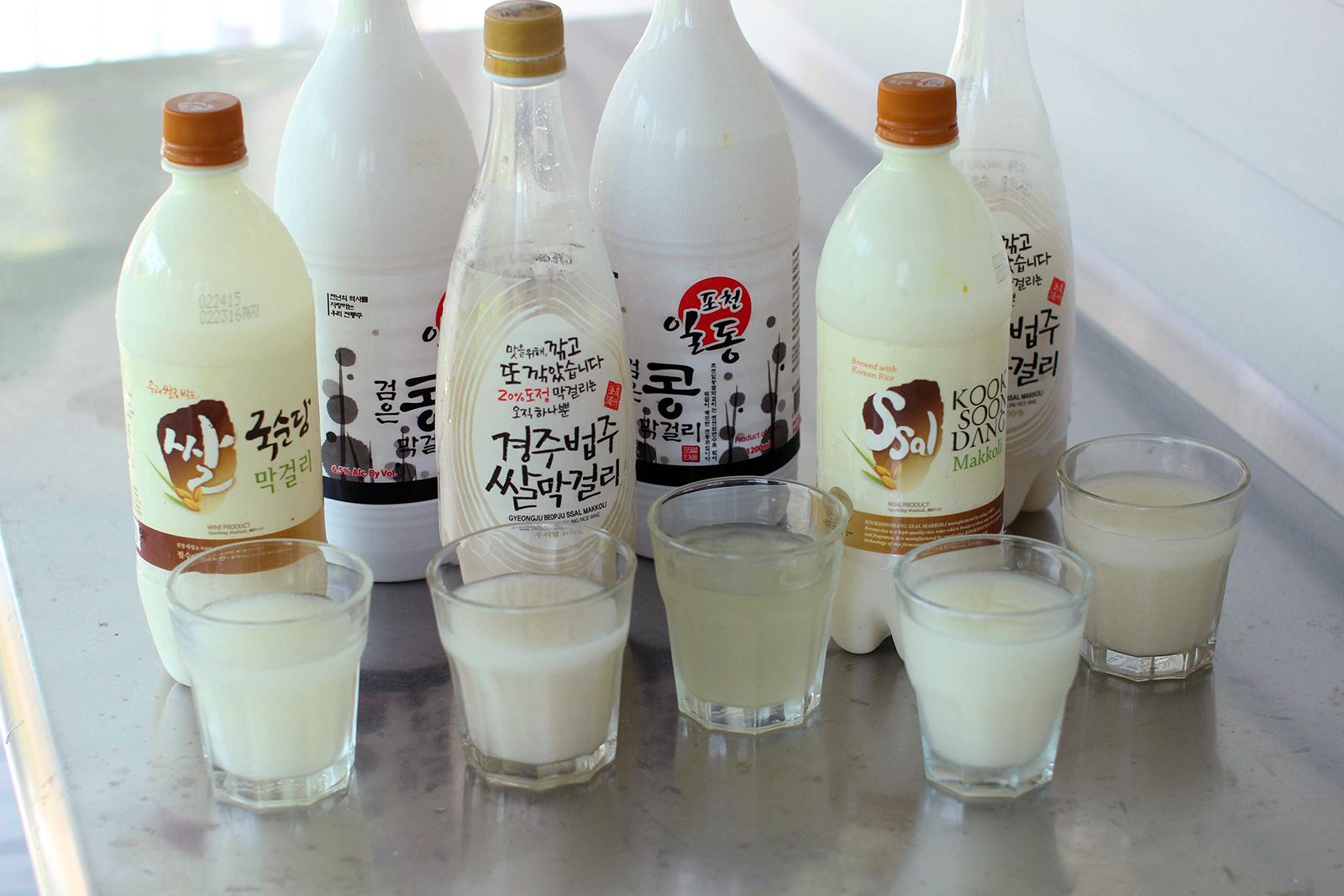
prekforalldc.org – Makgeolli, a traditional Korean rice wine, is a beloved beverage that has been enjoyed for centuries. Known for its milky appearance and slightly sweet, tangy taste, makgeolli offers a unique drinking experience that is deeply rooted in Korean culture. As one of Korea’s oldest alcoholic drinks, it holds a special place in the hearts of many and is often associated with communal gatherings and celebrations.

The Art of Brewing Makgeolli

Makgeolli is made from fermented rice, water, and nuruk, a traditional Korean fermentation starter. The brewing process involves steaming rice, mixing it with water and nuruk, and allowing it to ferment for several days. This fermentation process produces a beverage that is naturally carbonated, giving makgeolli its characteristic effervescence.

The result is a drink with a low alcohol content, typically around 6-8%, making it a light and refreshing option. Its flavor profile is complex, combining sweetness, acidity, and a subtle earthiness from the fermentation process. The unique, creamy texture of makgeolli is due to the unfiltered nature of the drink, which retains rice sediments that give it its distinctive cloudy appearance.

A Cultural Staple

Makgeolli has long been a staple in Korean society, enjoyed by people of all ages and social classes. Traditionally, it was consumed by farmers and laborers as a nourishing and affordable source of energy after a hard day’s work. Today, it is enjoyed by many as a versatile beverage that pairs well with a variety of foods.

In Korea, makgeolli is often served in a communal bowl with a ladle, emphasizing the importance of sharing and togetherness. It is commonly consumed with dishes like pajeon (Korean savory pancakes) and kimchi, enhancing the flavors of these traditional foods.

Modern Revival

In recent years, makgeolli has experienced a revival both in Korea and internationally. Artisanal and craft makgeolli breweries have emerged, offering a wide range of flavors and variations that appeal to modern tastes. Some producers experiment with additional ingredients like fruits and herbs, creating innovative twists on the classic recipe.

This resurgence has introduced makgeolli to a new generation of enthusiasts, who appreciate its rich history and unique taste. The drink’s popularity has also spread beyond Korea’s borders, as more people around the world discover its charm and versatility.

Conclusion

Makgeolli is more than just a beverage; it is a symbol of Korean heritage and tradition. Its creamy texture, effervescent character, and complex flavors make it a unique and delightful experience for those who try it. Whether sipped in a traditional setting or enjoyed as part of a modern culinary adventure, makgeolli continues to captivate and delight, offering a taste of Korea’s rich cultural tapestry.

Tumpeng: Indonesia’s Iconic Cone-Shaped Rice Dish

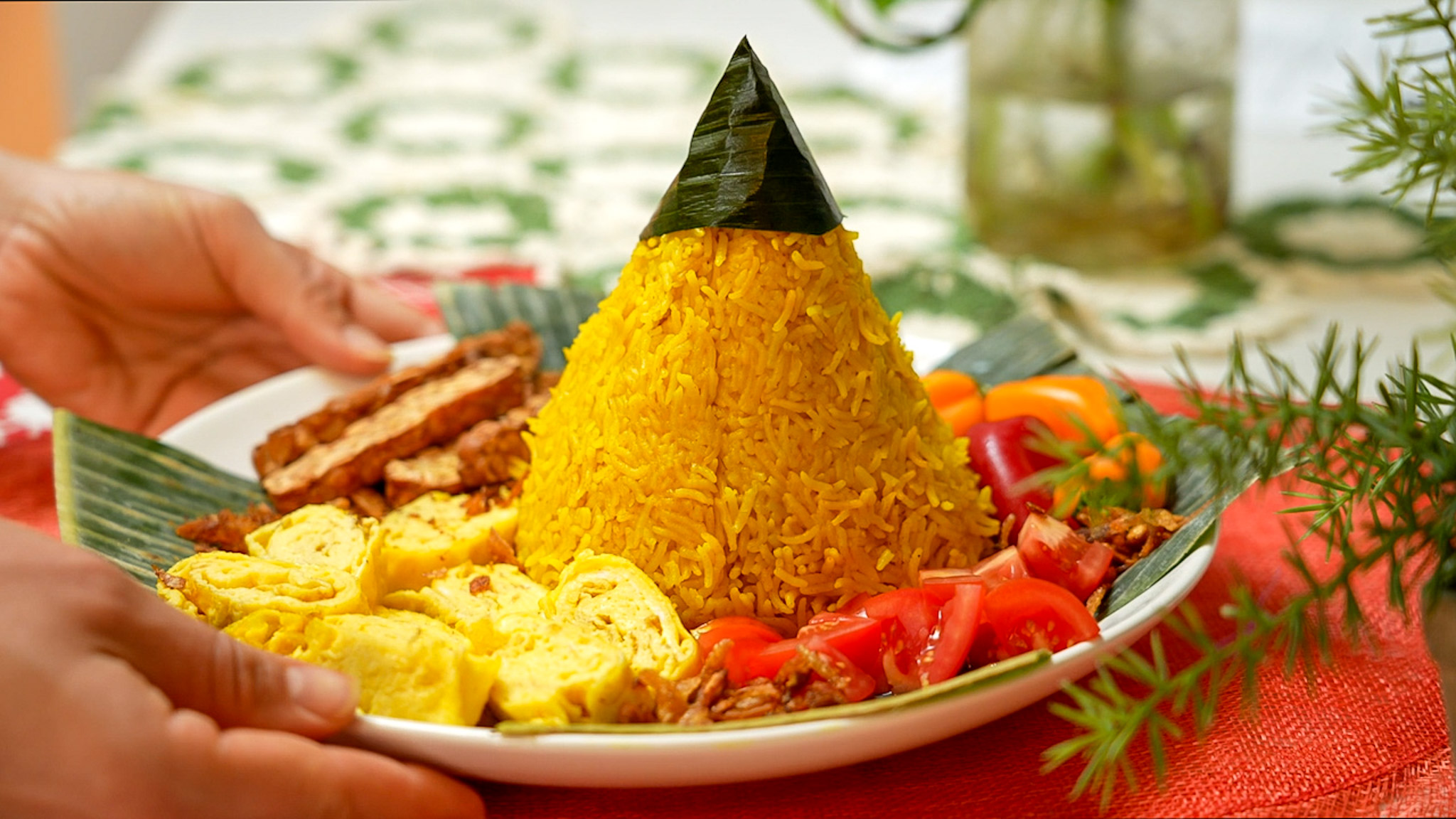
prekforalldc.org – Tumpeng is an iconic Indonesian dish known for its distinct cone-shaped rice mound, often served during special occasions and celebrations. This visually striking dish is not only a feast for the eyes but also a delicious representation of Indonesian culture and tradition. In this article, we will explore the history, symbolism, preparation, and cultural significance of tumpeng.

The History and Symbolism of Tumpeng

Tumpeng has deep roots in Indonesian history, believed to have originated from the island of Java. It is traditionally associated with Javanese customs and rituals. The cone shape of the rice is said to represent the holy mountain, a symbol of reverence and a connection to the divine. This dish is often used in ceremonies to express gratitude and to mark significant life events, such as birthdays, anniversaries, and other joyous occasions.

Ingredients and Components

A typical tumpeng dish consists of several key components, each contributing to its flavor and significance:

  1. Cone-Shaped Rice: The centerpiece of tumpeng is the cone-shaped rice, which can be made from plain steamed rice, yellow turmeric rice, or even nasi uduk, a fragrant rice cooked in coconut milk.
  2. Accompanying Dishes: Surrounding the rice are a variety of side dishes that offer a balance of flavors and textures. These often include:
    • Ayam Goreng: Fried chicken, seasoned with traditional spices.
    • Sambal: A spicy chili paste that adds heat and depth.
    • Tempeh and Tofu: Fried or grilled for added protein.
    • Vegetables: Such as urap, a mix of steamed vegetables with grated coconut.
    • Eggs: Hard-boiled or omelettes, providing a rich complement.
  3. Garnishes: Fresh vegetables and herbs are used for decoration, enhancing the visual appeal of the dish.

Preparing Tumpeng

Creating a tumpeng dish is both a culinary and artistic endeavor. Here’s a simplified guide to preparing tumpeng:

  1. Cooking the Rice: Choose your preferred rice type and cook it until it’s firm enough to hold the cone shape. If making yellow rice, add turmeric for color and flavor.
  2. Forming the Cone: Use a cone-shaped mold or fashion one from banana leaves to shape the rice. Pack the rice tightly to maintain its form.
  3. Arranging the Accompaniments: Surround the rice cone with the various side dishes, ensuring a balance of colors and textures.
  4. Decorating: Add garnishes such as sliced cucumbers, tomatoes, and chili peppers for a vibrant presentation.

Cultural Significance

Tumpeng is more than just a meal; it is a cultural symbol that embodies the spirit of community and gratitude. The presentation of tumpeng is often accompanied by a ceremonial cutting of the top of the rice cone, symbolizing respect and humility. This act is usually performed by the most senior or honored person at the gathering, emphasizing the dish’s role in fostering unity and celebration.

Conclusion

Tumpeng is a testament to Indonesia’s rich culinary heritage and its ability to bring people together through food and tradition. Whether served at a family gathering or a grand ceremony, tumpeng remains a beloved dish that captures the essence of Indonesian hospitality and cultural pride. By enjoying tumpeng, one not only indulges in a delightful culinary experience but also partakes in a time-honored tradition that celebrates life’s special moments.

Lollipop: A Sweet Treat with a Colorful History

prekforalldc.org – Lollipops are one of the most popular and iconic candies enjoyed by people of all ages. These sweet treats, characterized by a hard candy shell on a stick, have a rich history that spans centuries. In this article, we will explore the origins of lollipops, the science behind their making, and the various types and flavors that have captured the hearts of candy lovers around the world.

The Origins of Lollipops

The concept of the lollipop can be traced back to ancient times. The earliest form of lollipop-like candy was made by the Egyptians around 3000 BC, who created a sweet called “tyt,” made from honey. However, the modern lollipop, as we know it, began to take shape in the 18th century.

The Invention of the Lollipop

The term “lollipop” itself was first used in the early 1900s. It is believed to be a combination of the word “lolly,” meaning tongue, and “pop,” which refers to the popping sound made when removing the candy from the mouth. The invention of the lollipop stick is credited to George Smith, an American candy maker who, in 1908, decided to insert a stick into his hard candy to make it easier to eat. He trademarked the name “Lollipop” in 1931, and the rest is history.

The Science of Lollipop Making

Lollipop making is a fascinating process that involves a combination of sugar, corn syrup, water, and flavorings. The mixture is cooked to a high temperature, creating a hard candy shell. The science behind this involves the transformation of sugar molecules under heat, which results in the hard, brittle texture characteristic of lollipops.

The Role of Ingredients

  • Sugar: The primary ingredient that provides the sweetness and structure.
  • Corn Syrup: Helps prevent crystallization, resulting in a smooth texture.
  • Water: Acts as a solvent for the sugar and is essential for the cooking process.
  • Flavorings and Colorings: Add the desired taste and vibrant colors to the lollipops.

Types and Flavors of Lollipops

Lollipops come in a vast array of flavors and types, catering to every taste preference. From classic fruit flavors like cherry and grape to more exotic options like mango and passion fruit, there’s a lollipop for everyone. Additionally, there are novelty lollipops that include bubble gum centers, sour crystals, and even lollipops that change color or flavor.

Novelty Lollipops

  • Giant Lollipops: Oversized versions that can be a fun centerpiece at parties.
  • Swirl Pops: Lollipops with multiple colors and flavors swirled together.
  • Character Pops: Shaped like popular characters from movies, TV shows, and books.

Lollipops in Popular Culture

Lollipops have made their mark in popular culture, appearing in movies, TV shows, and music. They are often associated with childhood, fun, and nostalgia. Characters like Lolly from “Charlie and the Chocolate Factory” and the lollipop-loving girl in the “Big Brother” song by Foster the People have further cemented the lollipop’s place in pop culture.

Lollipops in Advertising

Lollipops are also a common sight in advertising, used to attract attention and appeal to the sweet tooth of consumers. Their bright colors and playful shapes make them an effective tool for marketing campaigns targeted at both children and adults.

Conclusion

Lollipops are more than just a sweet treat; they are a symbol of joy and nostalgia. With their rich history, delightful flavors, and endless variations, lollipops continue to be a beloved candy enjoyed by people of all ages. Whether you prefer a classic cherry lollipop or a novelty giant swirl pop, there’s no denying the universal appeal of this simple yet delightful confection.

The Art of Italian Street Food: A Journey Through Italy’s Cities

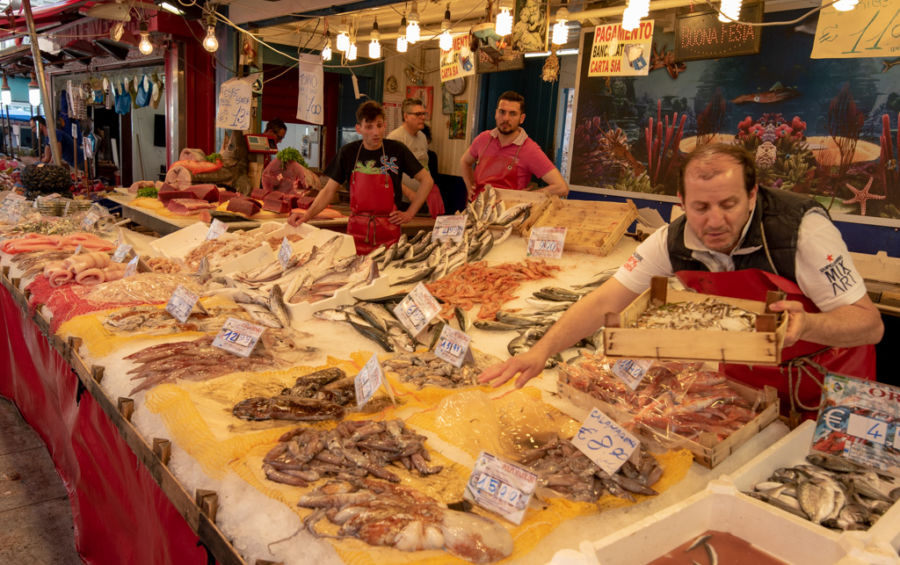
prekforalldc.org – Italy, renowned for its rich culinary traditions, offers a delightful array of street food that reflects the diversity and history of its regions. From the bustling streets of Rome to the picturesque canals of Venice, Italian street food is a testament to the country’s passion for good food and its ability to create delicious, portable meals that capture the essence of each region.

Rome – The Heart of Italian Street Food

Rome, the Eternal City, is home to some of Italy’s most iconic street foods. Supplì, fried rice balls filled with tomato sauce and mozzarella, are a popular snack among locals and tourists alike. Porchetta, a savory, herb-stuffed roast pork, is often served in sandwiches from street vendors. And, of course, no visit to Rome would be complete without trying a slice of Pizza al Taglio, a thick-crusted pizza cut into squares and sold by the slice.

Naples – The Birthplace of Pizza

Naples, the birthplace of pizza, offers a variety of street food delights, but pizza remains the star. Street vendors sell traditional Neapolitan pizza by the slice, with simple yet flavorful toppings like San Marzano tomatoes, mozzarella di bufala, and fresh basil. Another must-try is the Sfogliatella, a shell-shaped pastry filled with a sweet ricotta filling, often enjoyed as a morning snack.

Venice – Canals and Culinary Delights

Venice, with its intricate network of canals, offers a unique street food experience. Cicchetti, small Venetian tapas-style dishes, are served in bacari (wine bars) and can be enjoyed while standing at the counter. Popular cicchetti include polpette (meatballs), sarde in saor (sweet and sour sardines), and crostini with various toppings.

Florence – Tradition and Innovation

Florence, the cradle of the Renaissance, boasts a street food scene that blends tradition with innovation. Lampredotto, a traditional Florentine dish made from the fourth stomach of a cow, is served in sandwiches and is a beloved street food. Panini, small sandwiches made with a variety of fillings, are also popular and can be found at kiosks and small shops throughout the city.

Sicily – A Melting Pot of Flavors

Sicily’s street food is a melting pot of flavors, reflecting the island’s history of Greek, Arab, and Spanish influences. Arancini, rice balls filled with ragu and peas, are a popular snack. Panelle, chickpea fritters served in a sandwich, are another favorite. And for something sweet, Cannoli, pastry tubes filled with sweet ricotta and chocolate chips, are a must-try.

Milan – Modern Twists on Classic Dishes

Milan, Italy’s fashion capital, offers a street food scene that is both modern and traditional. Cotoletta, a breaded veal cutlet, can be found in sandwich form at street vendors. And for a sweet treat, the classic Italian gelato is elevated to an art form, with gelaterias offering a wide range of flavors made from the finest ingredients.

Conclusion – The Essence of Italian Cuisine

Italian street food is more than just a quick bite; it’s a celebration of the country’s culinary heritage. Each region offers a unique take on street food, from the hearty dishes of the north to the sun-drenched flavors of the south. Whether enjoyed while strolling through historic streets or sitting by a canal, Italian street food captures the essence of Italy’s love for good food and good life.

Designing Delicious Dishes: The Flavor Architect

prekforalldc.org – In the culinary world, the art of creating dishes that tantalize the taste buds and leave a lasting impression is akin to architecture. Just as an architect designs buildings that are both functional and aesthetically pleasing, a chef must craft dishes that are not only delicious but also visually appealing and harmonious in flavor. This article delves into the world of the flavor architect, exploring the principles and techniques used to design delicious dishes.

The Principles of Flavor Architecture

Flavor architecture is built on a foundation of culinary principles that guide the chef in creating balanced and exciting dishes. These principles include understanding the basic tastes (sweet, sour, salty, bitter, and umami), mastering the art of seasoning, and knowing how to combine ingredients to create layers of flavor. A flavor architect must also be familiar with the concept of flavor pairing, which involves matching ingredients that complement each other to enhance the overall taste experience.

The Techniques of Flavor Building

To design a dish that stands out, a chef must employ various techniques to build flavor. This includes the use of marinades and brines to infuse proteins with flavor, the art of reduction to concentrate flavors in sauces, and the application of spice blends and herbs to add complexity. Additionally, the technique of layering flavors through multiple cooking methods, such as searing and then braising, can create a depth of taste that is both intriguing and satisfying.

The Role of Presentation in Flavor Architecture

A dish’s presentation is the first step in the dining experience, and it plays a crucial role in setting expectations for flavor. A flavor architect must consider the visual appeal of a dish, ensuring that it is not only delicious but also beautiful to look at. This involves the careful arrangement of ingredients, the use of color contrast, and the selection of appropriate serving ware to enhance the overall presentation.

Innovation and Creativity in Flavor Design

The world of flavor architecture is constantly evolving, with chefs pushing the boundaries of traditional cuisine to create new and exciting dishes. This requires a blend of creativity, experimentation, and a deep understanding of culinary techniques. A flavor architect must be willing to take risks, combining unexpected ingredients and flavors to create unique dishes that challenge and delight the palate.

Conclusion

Designing delicious dishes is an art form that requires a blend of culinary knowledge, technical skill, and creative flair. The flavor architect must navigate the complex world of taste, texture, and presentation to create dishes that not only satisfy the appetite but also evoke emotion and tell a story. As the culinary landscape continues to evolve, the role of the flavor architect will remain central to the creation of memorable dining experiences.

A World Tour of Royal Cuisines: The Savor of Sovereignty

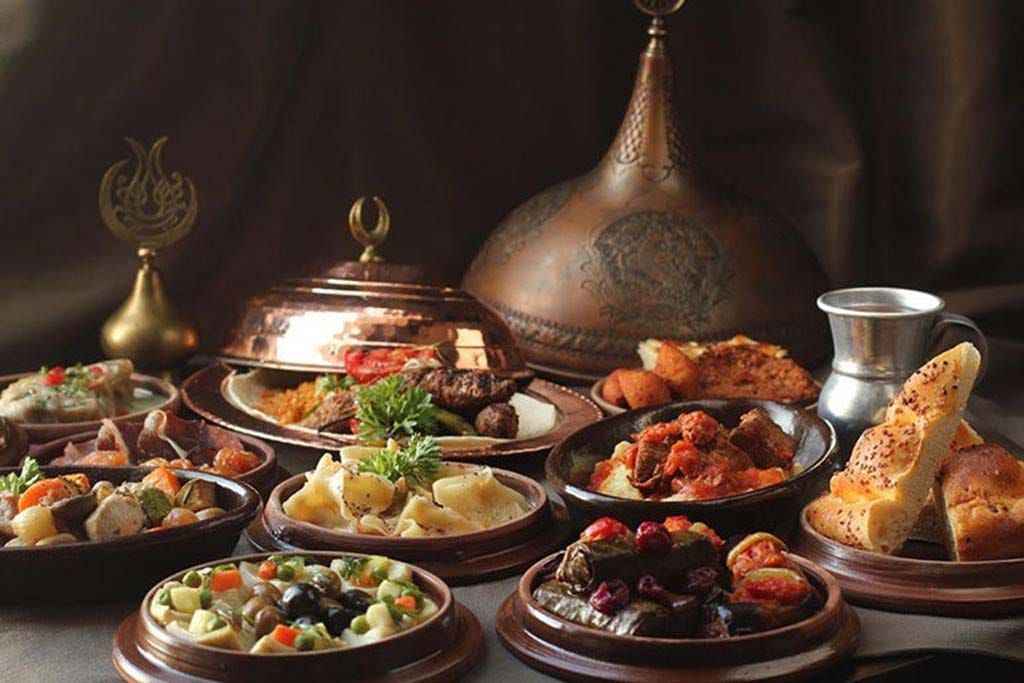
prekforalldc.org – The allure of royalty has always been a fascination for many, with its grandeur, elegance, and the mystique of a life lived in opulence. One of the most tangible ways to experience the splendor of royal life is through the culinary arts. Royal cuisines are not just about the food; they are a reflection of history, culture, and the legacy of a nation. From the spice-laden dishes of India to the delicate pastries of France, each royal cuisine tells a story of tradition, innovation, and the art of fine dining. Join us on a gastronomic journey around the world, exploring the flavors and stories behind some of the most iconic royal cuisines.

The United Kingdom: A Taste of Tradition
British royal cuisine is steeped in tradition, with a focus on seasonal ingredients and classic preparations. The royal kitchens have been the birthplace of many iconic dishes, such as the Christmas pudding and the Battenberg cake. Afternoon tea, a quintessentially British custom, is a ritual that has been embraced by the royal family, featuring an array of sandwiches, scones, and pastries. The coronation chicken, created for the coronation of Queen Elizabeth II, has become a staple at royal events, showcasing the blend of creaminess and spice that has delighted palates for generations.

France: The Pinnacle of Culinary Artistry
French cuisine is synonymous with haute cuisine, and the royal palaces of France have been the stage for some of the most exquisite culinary creations. The French royalty, particularly during the reign of Louis XIV, set the standard for opulent dining, with dishes like the Poulet à la Marengo, a chicken dish created to commemorate a Napoleonic victory. The use of rich sauces, fine wines, and the meticulous presentation of dishes reflect the French royalty’s dedication to the art of gastronomy. The pièce montée, a towering dessert made of cream puffs, is a testament to the grandeur of French royal celebrations.

India: A Symphony of Spices
Indian royal cuisine is a kaleidoscope of flavors, with each region offering its unique interpretation of luxury dining. The Mughlai cuisine, influenced by the Mughal Empire, features rich, aromatic dishes like the Biryani, a fragrant rice dish layered with meat or vegetables. The use of saffron, cardamom, and other exotic spices is a hallmark of royal Indian cuisine, reflecting the wealth and diversity of the subcontinent. The tradition of the Thali, a meal made up of various dishes served on a platter, showcases the variety and balance of flavors that are central to Indian culinary philosophy.

Japan: The Aesthetic of Simplicity
Japanese imperial cuisine is characterized by its emphasis on seasonality, presentation, and the essence of the ingredients. Kaiseki, a traditional multi-course meal, is a reflection of the changing seasons, with each dish carefully crafted to highlight the natural flavors of the ingredients. The imperial kitchen focuses on the art of simplicity, with dishes like Chawanmushi, a steamed savory custard, and Sashimi, fresh slices of raw fish, embodying the Japanese aesthetic of Wabi-sabi, finding beauty in imperfection. The tea ceremony, a ritualistic preparation and sharing of matcha, is a quintessential Japanese experience that emphasizes harmony, respect, and purity.

Conclusion:
The royal cuisines of the world are a testament to the diverse ways in which culinary traditions can express the essence of a culture. From the refined elegance of French haute cuisine to the vibrant spices of Indian royal dishes, each royal cuisine offers a unique perspective on the art of fine dining. As we continue to explore the flavors of sovereignty, we gain a deeper appreciation for the history, craftsmanship, and cultural significance that make these cuisines truly royal. Whether through a dish, a dining ritual, or a specific ingredient, the savor of sovereignty is a flavor that lingers long after the meal is over, leaving us with a taste of the regal past and a glimpse into the culinary heritage of nations.

Delicious Recipes on a Shoestring Budget: Budget-Friendly Bites

prekforalldc.org – In today’s economy, many of us are looking for ways to cut costs without sacrificing the joy of a delicious meal. Cooking at home is not only a great way to save money but also an opportunity to get creative and enjoy the satisfaction of preparing a meal from scratch. Here are some budget-friendly recipes that promise to tantalize your taste buds without breaking the bank.

  1. One-Pot Pasta Wonder
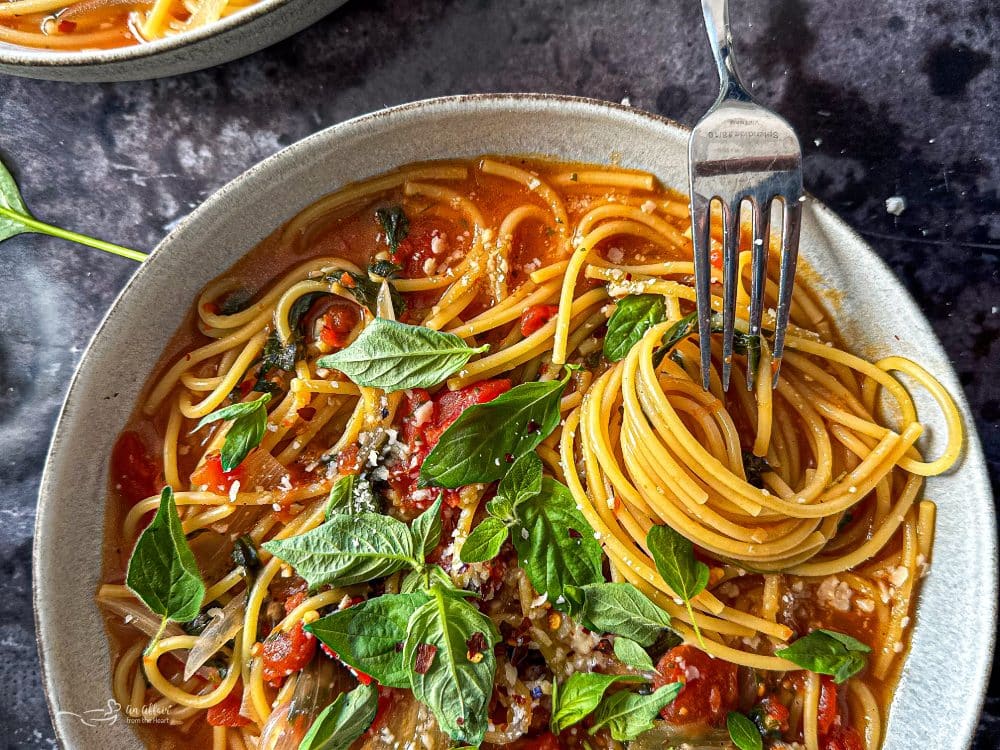
    This recipe is a lifesaver for those who want a hearty meal without the hassle of multiple dishes to clean. Simply choose your favorite pasta shape and combine it with canned tomatoes, garlic, onion, and any vegetables you have on hand. Cook everything together in one pot, and if you’re feeling fancy, add a sprinkle of grated cheese on top. It’s a complete meal that’s both comforting and cost-effective.
  2. Rice and Beans Powerhouse
    A classic combination that’s both filling and nutritious, rice and beans can be transformed into a variety of dishes. Cook a large batch of rice and pair it with canned or dried beans. Season with garlic, onion, and a mix of spices to suit your taste. This dish can be served as is or used as a base for burritos, bowls, or salads throughout the week.
  3. Veggie Stir-Fry Sensation
    Stir-fries are a fantastic way to use up any vegetables that are on the verge of going bad. Sauté them in a pan with a bit of oil, and add in some protein like tofu, eggs, or chicken if you like. Serve over rice or noodles, and season with a simple sauce made from soy sauce, garlic, and ginger for an easy and healthy meal.
  4. Savory Oatmeal Bowl
    Oatmeal isn’t just for breakfast! Cook up a pot of oats and transform them into a savory dinner by adding in ingredients like sautéed mushrooms, spinach, and a poached egg on top. Sprinkle with cheese or a drizzle of hot sauce for extra flavor. It’s a warm and comforting meal that’s surprisingly affordable.
  5. DIY Pizza Night
    Instead of ordering out, make your own pizza at home. Use a simple dough recipe or buy pre-made dough from your local grocery store. Top with a can of tomato sauce and a mix of your favorite vegetables, along with a little cheese. Bake until the crust is crispy and the cheese is bubbly. It’s a fun and customizable meal that the whole family can enjoy.
  6. Lentil Soup for the Soul
    Lentils are a budget-friendly superfood that can be the base of a hearty soup. Sauté onions, carrots, and celery, then add in lentils, broth, and any other vegetables you have. Season with herbs and spices, and let it simmer until everything is tender. This soup is not only inexpensive but also packed with protein and fiber.
  7. Breakfast for Dinner
    Sometimes, the cheapest and most satisfying meals are the simplest. Eggs are an incredibly versatile and affordable ingredient. Whip up a batch of scrambled eggs or make an omelet with whatever fillings you have on hand. Serve with toast or potatoes for a comforting and budget-friendly dinner.
  8. Baked Potato Bar
    Baked potatoes are a blank canvas for a variety of toppings. Bake a few potatoes in the oven and set up a toppings bar with items like canned chili, shredded cheese, sour cream, and chopped vegetables. It’s an easy way to please everyone’s taste buds and keep costs down.
  9. Peanut Butter and Banana Quesadillas
    For a quick and easy dessert or snack, spread peanut butter on a tortilla, add slices of banana, and sprinkle with cinnamon and a bit of sugar. Fold the tortilla over and cook in a skillet until crispy. It’s a sweet treat that’s both budget-friendly and satisfying.
  10. Chickpea Shakshuka
    Shakshuka is a traditional North African dish that’s perfect for a budget-friendly meal. Sauté onions, peppers, and tomatoes, and season with cumin, paprika, and chili flakes. Make wells in the mixture and crack eggs into them. Bake until the eggs are set, and serve with crusty bread. For a protein-packed twist, add canned chickpeas to the mix.

Cooking on a budget doesn’t mean you have to compromise on taste or variety. With a little creativity and some staple ingredients, you can enjoy delicious and satisfying meals without spending a fortune. So next time you’re meal planning, try out one of these budget-friendly recipes and savor the flavors of frugality.