
The Marvel of Ants: Tiny Architects of the Natural World

prekforalldc.org – Ants. These seemingly insignificant creatures, often overlooked in our daily lives, are truly remarkable organisms. They are the epitome of social insects, exhibiting complex behaviors and sophisticated societies that rival human civilizations in many ways. This article will delve into the fascinating world of ants, exploring their social structure, incredible abilities, and their significant ecological impact.   

Social Structure: A Miniature Metropolis

Ant colonies are miniature metropolises, teeming with specialized individuals performing specific roles. At the heart of every colony lies the queen, the sole egg-laying female. Her primary function is to reproduce and ensure the colony’s survival.   

  • Workers: The vast majority of the colony consists of female worker ants. These tireless individuals are responsible for foraging, nest building, caring for the brood, and defending the colony.   
  • Soldiers: In some species, larger, more robust ants known as soldiers specialize in defense. They possess powerful mandibles and are equipped to fend off predators and rival colonies.   
  • Males: Male ants, often winged, have a single purpose: to mate with queens from other colonies. After mating, they typically die.

Communication and Coordination

Despite their small size, ants possess sophisticated communication systems.   

  • Pheromones: Chemical signals called pheromones play a crucial role in ant communication. They are used to mark trails to food sources, alert nestmates to danger, and even attract mates.   
  • Tactile Communication: Ants also communicate through touch, exchanging information by antennating each other.   

This intricate communication network allows ants to coordinate their activities with remarkable precision, enabling them to collectively achieve feats that would be impossible for individual ants.   

Incredible Abilities

Ants possess a remarkable array of abilities that have fascinated scientists for centuries.

  • Strength: Ants are incredibly strong for their size. They can lift and carry objects many times their own weight, a feat that would be impossible for humans to replicate.   
  • Navigation: Ants have an uncanny ability to navigate complex environments. They can find their way back to the nest even after traveling long distances, utilizing a combination of visual cues, pheromone trails, and even the Earth’s magnetic field.   
  • Agriculture: Some ant species cultivate fungi for food, meticulously tending to their fungal gardens.   

Ecological Impact

Ants play a vital role in many ecosystems.   

  • Soil Aeration: Their constant digging and tunneling aerates the soil, improving its fertility and promoting plant growth.   
  • Seed Dispersal: Ants often collect seeds, some of which they consume, while others are inadvertently dispersed when they are carried back to the nest.   
  • Pest Control: Ants prey on a wide range of insects, including many that are considered agricultural pests.   

Threats and Conservation

Despite their resilience, ant populations face various threats.   

  • Habitat Loss: The destruction of natural habitats due to human activities is a significant threat to many ant species.
  • Pesticides: The widespread use of pesticides can have devastating effects on ant colonies.   
  • Climate Change: Climate change is altering the distribution and behavior of many ant species.   

Conservation efforts are crucial to protect these vital members of our ecosystems.

Conclusion

From their intricate social structures to their remarkable abilities, ants are a testament to the wonders of the natural world. They are a reminder that even the smallest creatures can have a profound impact on the planet. By understanding and appreciating these fascinating insects, we can gain a deeper appreciation for the interconnectedness of all life.

Designing Delicious Dishes: The Flavor Architect

prekforalldc.org – In the culinary world, the art of creating dishes that tantalize the taste buds and leave a lasting impression is akin to architecture. Just as an architect designs buildings that are both functional and aesthetically pleasing, a chef must craft dishes that are not only delicious but also visually appealing and harmonious in flavor. This article delves into the world of the flavor architect, exploring the principles and techniques used to design delicious dishes.

The Principles of Flavor Architecture

Flavor architecture is built on a foundation of culinary principles that guide the chef in creating balanced and exciting dishes. These principles include understanding the basic tastes (sweet, sour, salty, bitter, and umami), mastering the art of seasoning, and knowing how to combine ingredients to create layers of flavor. A flavor architect must also be familiar with the concept of flavor pairing, which involves matching ingredients that complement each other to enhance the overall taste experience.

The Techniques of Flavor Building

To design a dish that stands out, a chef must employ various techniques to build flavor. This includes the use of marinades and brines to infuse proteins with flavor, the art of reduction to concentrate flavors in sauces, and the application of spice blends and herbs to add complexity. Additionally, the technique of layering flavors through multiple cooking methods, such as searing and then braising, can create a depth of taste that is both intriguing and satisfying.

The Role of Presentation in Flavor Architecture

A dish’s presentation is the first step in the dining experience, and it plays a crucial role in setting expectations for flavor. A flavor architect must consider the visual appeal of a dish, ensuring that it is not only delicious but also beautiful to look at. This involves the careful arrangement of ingredients, the use of color contrast, and the selection of appropriate serving ware to enhance the overall presentation.

Innovation and Creativity in Flavor Design

The world of flavor architecture is constantly evolving, with chefs pushing the boundaries of traditional cuisine to create new and exciting dishes. This requires a blend of creativity, experimentation, and a deep understanding of culinary techniques. A flavor architect must be willing to take risks, combining unexpected ingredients and flavors to create unique dishes that challenge and delight the palate.

Conclusion

Designing delicious dishes is an art form that requires a blend of culinary knowledge, technical skill, and creative flair. The flavor architect must navigate the complex world of taste, texture, and presentation to create dishes that not only satisfy the appetite but also evoke emotion and tell a story. As the culinary landscape continues to evolve, the role of the flavor architect will remain central to the creation of memorable dining experiences.

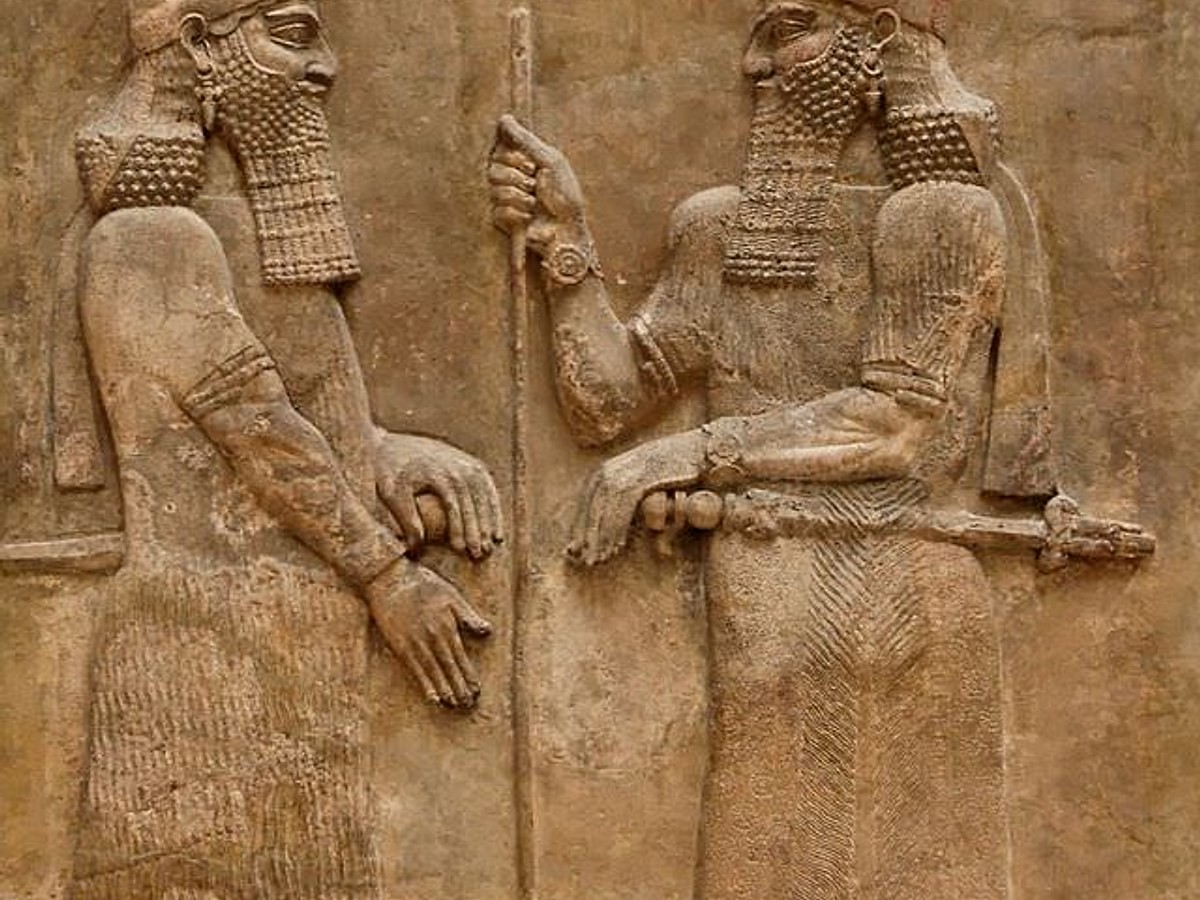
King Sargon II: Conqueror & Architect of the Neo-Assyrian Empire

prekforalldc.org – King Sargon II, whose reign marked a significant era in the Neo-Assyrian Empire, was a formidable ruler whose legacy is etched in the annals of history. Born around 770-760 BC, Sargon II ascended to the throne in 722 BC, succeeding his brother Shalmaneser V, and reigned until his death in battle in 705 BC.

Rise to Power and Early Reign

Sargon II’s rise to power was marked by political intrigue and military prowess. He was likely a younger son of Tiglath-Pileser III, and his ascent to the throne was not without challenges. Upon his accession, Sargon II faced significant rebellions within the empire, which he quelled with a combination of military might and strategic diplomacy.

Military Campaigns and Expansion

Sargon II was a warrior-king who led his armies into battle, expanding the Assyrian Empire to its zenith. His conquests included the Babylonian kingdom, the Levant, and the Armenian highlands, extending the empire’s reach from the Mediterranean to the Zagros Mountains. Notably, he led a successful campaign against the kingdom of Urartu in 714 BC, securing a significant victory that further solidified Assyrian dominance in the region.

Building Projects and Cultural Influence

Sargon II was not only a military strategist but also a patron of the arts and architecture. He commissioned the construction of his new capital, Dur-Sharrukin, which was completed in 706 BC. This city, located near modern-day Khorsabad, was a testament to his ambition and architectural vision, featuring grand palaces and temples that showcased the Assyrian artistic style.

Legacy and Impact

Sargon II’s reign was marked by significant achievements, but his death in battle in 705 BC, during a campaign against the Tabal in Anatolia, cast a shadow over his legacy. His untimely demise led to a period of instability, and his son, Sennacherib, who succeeded him, distanced himself from Sargon’s memory, contributing to the fading of his legacy in ancient times.

However, Sargon II’s contributions to the Assyrian Empire were rediscovered in the 19th century with the excavation of Dur-Sharrukin, which provided insights into his reign and reignited interest in his life and times. Today, Sargon II is recognized as one of the most important kings of the Neo-Assyrian Empire, known for his military conquests, architectural innovations, and administrative reforms that shaped the empire’s trajectory.

In conclusion, King Sargon II was a pivotal figure in the history of the Neo-Assyrian Empire, whose reign was characterized by military expansion, architectural innovation, and a complex legacy that continues to influence our understanding of ancient Mesopotamian civilization.