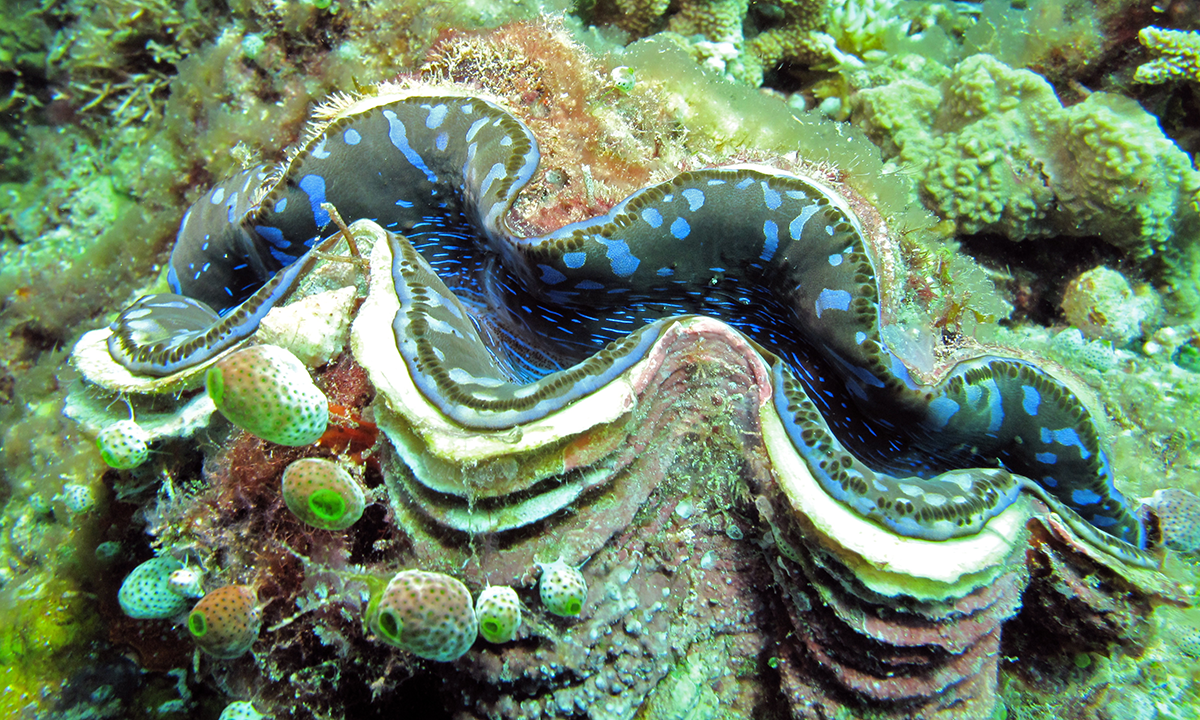
prekforalldc.org – The giant clam (Tridacna gigas) is one of the largest mollusks in the world, renowned for its size, vibrant colors, and symbiotic relationship with algae. Found in the shallow waters of coral reefs across the Indo-Pacific region, the giant clam plays a vital role in the ecosystem. Although often stationary and appearing passive, giant clams have a fascinating method of feeding that sustains their growth and development. In this article, we explore the feeding habits of the giant clam and the sources of nutrition that enable this remarkable mollusk to thrive.
Feeding Mechanisms of the Giant Clam
Giant clams are primarily filter feeders, but they also derive nutrients from a unique symbiotic relationship with photosynthetic algae known as zooxanthellae. This combination of filter feeding and photosynthesis allows giant clams to have multiple sources of nutrition, contributing to their large size and longevity.
Filter Feeding
Giant clams filter feed by drawing in seawater through their incurrent siphon, which brings in small particles of organic matter suspended in the water. Once inside the clam’s mantle cavity, the water passes over the gills, where tiny, hair-like structures called cilia trap the food particles. These particles consist of plankton, detritus (decaying organic material), and microscopic algae.
The cilia move the trapped particles toward the clam’s mouth, where they are ingested and digested for nutrients. Filter feeding is a constant process, and the giant clam can filter large volumes of water each day to capture sufficient food.
Symbiotic Relationship with Zooxanthellae
One of the most fascinating aspects of the giant clam’s diet is its reliance on zooxanthellae, a type of photosynthetic algae that lives within the clam’s tissues. These algae reside in the clam’s mantle, where they have access to sunlight, allowing them to photosynthesize and produce energy. The symbiotic relationship between the clam and zooxanthellae is mutually beneficial: the algae receive protection and nutrients from the clam, while the clam benefits from the products of photosynthesis, such as sugars and other organic compounds.
This symbiotic feeding mechanism provides the giant clam with a significant portion of its energy needs. The colorful appearance of giant clams is due to the presence of these algae, which give the clams their distinctive blue, green, and brown hues.
Diet Sources of the Giant Clam
The giant clam’s diet comes from two main sources: plankton and organic particles from the water column, and the products of photosynthesis from the zooxanthellae. These complementary feeding methods allow the giant clam to grow to its massive size—some individuals can weigh over 200 kilograms (440 pounds) and measure more than 1.2 meters (4 feet) across.
1. Plankton and Organic Matter
- The primary food source for giant clams comes from plankton and other small particles that are filtered from the water. These include:
- Phytoplankton (microscopic plants)
- Zooplankton (tiny marine animals)
- Organic detritus (decayed plant and animal matter)
By filtering these particles from the water, the giant clam obtains essential nutrients such as proteins, lipids, and carbohydrates. This method of feeding allows the clam to survive in nutrient-poor waters, such as coral reef environments.
2. Photosynthetic Products from Zooxanthellae
- The zooxanthellae living inside the giant clam’s mantle are another key source of nutrition. Through photosynthesis, these algae produce organic compounds, including:
- Sugars
- Amino acids
- Lipids
These compounds are transferred to the clam, providing it with additional energy and nutrients. This process is particularly important in clear, shallow waters, where sunlight can easily reach the clam and support the growth of the zooxanthellae.
Role of Sunlight in Giant Clam Nutrition
Sunlight is critical to the giant clam’s ability to derive nutrition from its symbiotic algae. For this reason, giant clams are typically found in shallow waters, often in depths of less than 20 meters (65 feet), where sunlight can penetrate. The more sunlight the zooxanthellae receive, the more energy they can produce through photosynthesis, which directly benefits the clam.
In areas with clear, tropical waters, giant clams can obtain up to 90% of their energy from the photosynthetic activity of the zooxanthellae. This reliance on sunlight means that giant clams prefer open, sunny areas of the reef, where they can maximize their exposure to light.
Growth and Feeding Efficiency
Giant clams have an extraordinary ability to grow rapidly in their early years, thanks to their dual feeding strategy. The combination of filter feeding and photosynthetic symbiosis allows them to gain nutrients more efficiently than many other marine animals.
Despite being sessile (stationary) once they settle on the reef, giant clams can live for over 100 years, gradually growing throughout their lives. Their large size makes them highly effective at filtering water, contributing to the health of the reef ecosystem by removing excess organic matter and maintaining water clarity.
Conclusion
The giant clam’s diet is a unique blend of filter feeding and symbiotic photosynthesis, enabling it to thrive in the nutrient-poor waters of coral reefs. By filtering plankton and organic particles from the water and harnessing energy from sunlight through its partnership with zooxanthellae, the giant clam can grow to impressive sizes and play a key role in the health of reef ecosystems. This remarkable feeding strategy not only sustains the giant clam but also helps maintain the balance of life in the ocean’s tropical and subtropical regions.