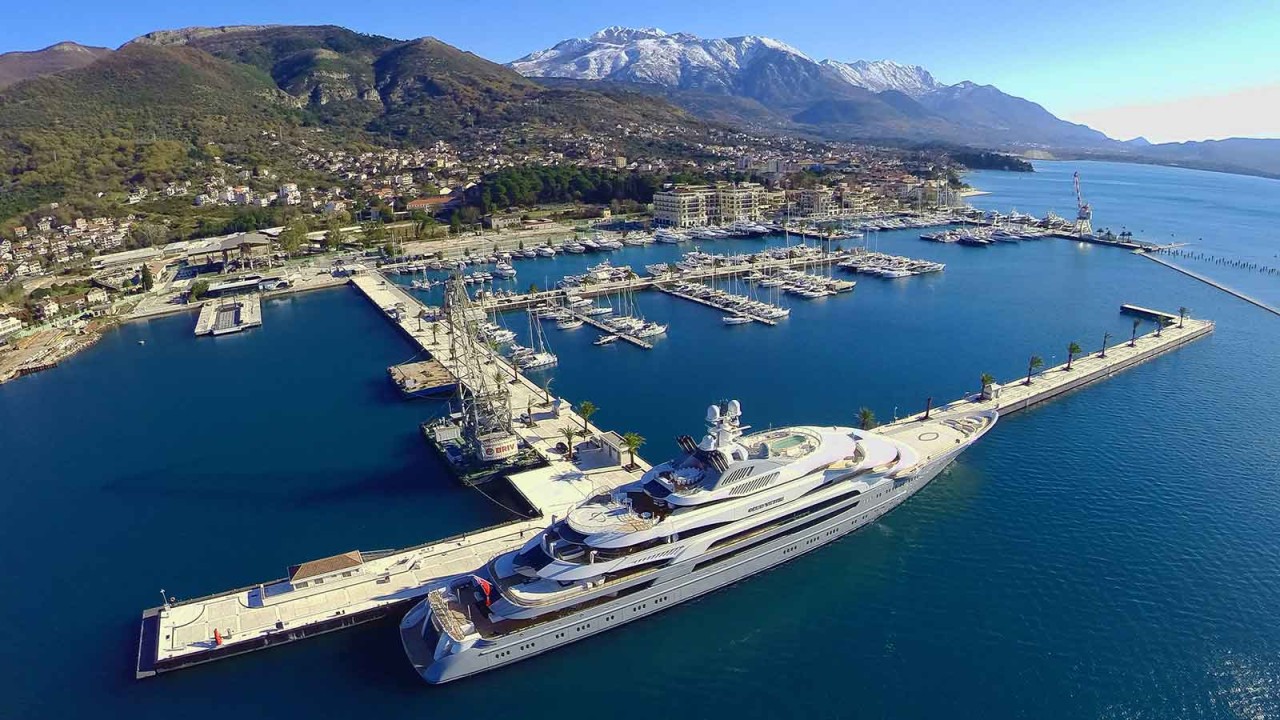
Economic Development in Montenegro: Challenges & Opportunities

prekforalldc.org – Montenegro, a small, open economy with aspirations to join the European Union (EU) by 2025, faces a unique set of challenges and opportunities in its quest for economic development. This article explores these challenges and opportunities, drawing from recent reports and analyses by the World Bank and other international organizations.

Challenges

  1. Fiscal Sustainability and Public Debt: Montenegro’s economy is heavily reliant on capital inflows from abroad, which makes it vulnerable to external shocks. The country also struggles with rapidly rising public debt and high fiscal deficits, which pose significant challenges to fiscal sustainability.
  2. State-Owned Enterprises and Public Spending: The transition to a market economy requires a reduction in the state’s footprint in the economy. This includes restructuring state-owned enterprises (SOEs) and rationalizing public spending to reduce the cost of the state.
  3. External Imbalances and Unemployment: High external imbalances and high unemployment rates are of particular concern. The economy is also challenged by large-scale public infrastructure investments and new expensive social expenditure programs, which further strain fiscal sustainability.
  4. Income Inequality: Significant income inequality affects upward mobility and limits Montenegro’s potential for sustainable growth.

Opportunities

  1. EU Integration: Montenegro’s aspiration to join the EU by 2025 offers significant opportunities for economic development. This includes access to EU funds and the adoption of EU-compatible legal frameworks and regulatory bodies, which require substantial capacity building.
  2. Tourism and International Trade: The country’s economy has shown strong recovery, particularly in tourism, which has been a significant driver of growth. Montenegro’s GDP witnessed a commendable growth rate of 6% in 2023, the highest among Western Balkan countries, driven by positive trends in foreign direct investment (FDI) and trade.
  3. Circular Economy: The circular economy model presents a promising path for green economic growth and development. This approach turns challenges into opportunities by promoting sustainable practices and reducing environmental impact.
  4. Human Capital Development: Improving human capital by reducing inequality of opportunity is crucial for Montenegro’s long-term economic development. This includes enhancing education and skills training to foster a more equitable society.
  5. Digital Transformation: Montenegro has strong underpinnings in widespread internet connectivity, which offers opportunities to transform its economic, educational, and e-government sectors. This digital transformation can enhance efficiency and competitiveness.

Conclusion

Montenegro’s economic development journey is fraught with challenges, including fiscal sustainability issues, income inequality, and the need for structural reforms. However, the country also has significant opportunities, particularly through EU integration, tourism, the circular economy, human capital development, and digital transformation. Addressing these challenges and leveraging the opportunities will be crucial for Montenegro’s economic growth and development in the coming years.
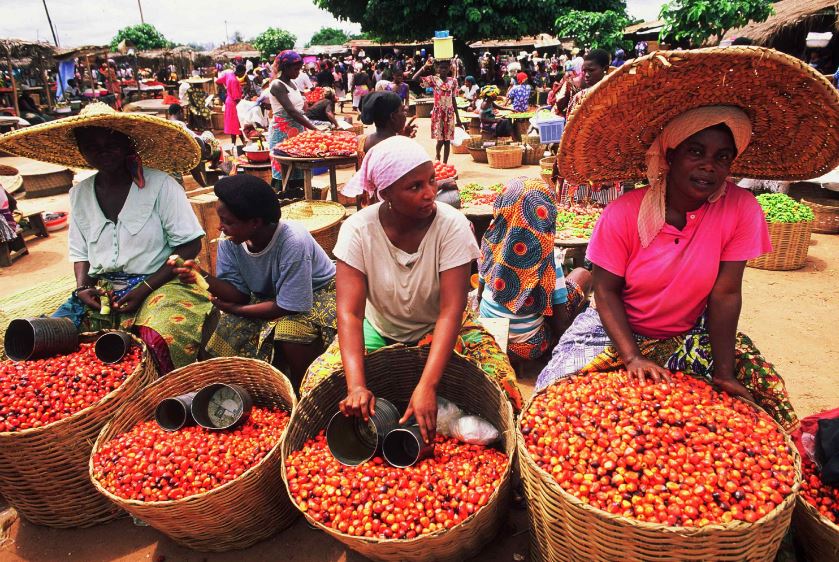
Benin’s Economic Growth and Infrastructure Spending

prekforalldc.org – In recent years, the Republic of Benin has embarked on an ambitious journey towards economic development and modernization. A key strategy in this endeavor has been significant investment in infrastructure, recognizing that robust physical foundations are essential for sustainable economic growth. This article explores Benin’s economic growth trajectory and the critical role that infrastructure spending plays in this process.

The Economic Growth Trajectory

Benin’s economy has shown remarkable resilience and growth potential, driven by a combination of factors including political stability, economic reforms, and diversification of the economic base. The country has transitioned from a predominantly agricultural economy to one that includes a growing industrial sector and a vibrant services sector.

Political Stability and Economic Reforms

Political stability has been a cornerstone of Benin’s economic growth. The country has maintained a democratic system with regular, peaceful transfers of power, creating a favorable environment for investment and development. Additionally, the government has implemented economic reforms aimed at liberalizing the market, improving the business climate, and attracting foreign direct investment.

Diversification of the Economic Base

Diversification has been a strategic focus, moving away from over-reliance on agriculture. The government has invested in the industrial sector, particularly in cotton processing, textiles, and agro-industry. The services sector, including telecommunications and tourism, has also seen substantial growth, contributing to a more balanced economic structure.

The Role of Infrastructure Spending

Infrastructure is the backbone of economic development, and Benin has recognized this by prioritizing significant investments in this area. Improved infrastructure not only facilitates economic activities but also enhances the quality of life for the population.

Transportation and Logistics

Investments in transportation and logistics infrastructure have been pivotal. The expansion and modernization of ports, airports, and road networks have improved connectivity within the country and with neighboring regions, making Benin a more attractive destination for trade and investment.

Energy Infrastructure

Energy is another critical area of focus. The government has invested in expanding electricity generation and distribution networks to ensure a reliable supply of power. Renewable energy projects, such as solar and hydroelectric power, are also being developed to diversify the energy mix and reduce dependence on fossil fuels.

Water and Sanitation

Access to clean water and sanitation is fundamental for public health and economic productivity. Benin has made strides in improving water supply and sanitation infrastructure, reaching more rural and urban populations with essential services.

The Impact on Economic Growth

The investments in infrastructure have had a tangible impact on Benin’s economic growth. Improved transportation and logistics have reduced costs for businesses, enhanced market access, and facilitated trade. Reliable energy supply has attracted industries, creating jobs and diversifying the economy. Additionally, better access to clean water and sanitation has improved public health, leading to a more productive workforce.

Conclusion

Benin’s economic growth is a testament to the country’s strategic focus on infrastructure development. By investing in transportation, energy, and water and sanitation, the government has laid a solid foundation for sustainable economic growth. As Benin continues to expand its infrastructure, it is poised to further enhance its economic prospects and improve the well-being of its population. The country’s commitment to infrastructure spending is not just an investment in physical structures but an investment in the future prosperity of Benin.